Physical Address
304 North Cardinal St.
Dorchester Center, MA 02124
Physical Address
304 North Cardinal St.
Dorchester Center, MA 02124


Did you know your food choices could directly impact your grades? A 2020 study in the Journal of American College Health found that healthy eating may be a factor in higher academic achievement among college students.
Welcome! This is your practical, friendly guide to fitting good nutrition into a packed academic life. We know you’re balancing classes, work, and a social calendar.
This guide provides a realistic, step-by-step approach. You will learn how to save time, boost your energy, and support your overall well-being.
Investing in your nutrition is an investment in your success. We’ll tackle common challenges like tight budgets, limited kitchen access, and crazy schedules.
Our strategies are tailored for your reality. We’ll cover why a balanced plate matters, how to master meal prep, and where to find quick recipes.
Small, consistent changes can make a huge difference in how you feel and perform every single day. Our advice is backed by credible sources like Harvard’s Healthy Eating Plate and the CDC.
Think of this not as a chore, but as a sustainable, empowering habit. Let’s build a routine that fuels your busy life.
Your academic performance and daily energy are not just about how many hours you study, but also about what you put on your plate. The right food acts as direct fuel for your brain and body.
Making smart choices supports focus during lectures and stamina for late-night study sessions. Let’s explore the powerful link between your eating habits and your success.
What you consume directly influences your cognitive function, mood, and stamina. Research makes a strong case for this connection.
A study in the Journal of American College Health found a striking correlation. Students who ate fast food more than seven times weekly had much lower GPAs than peers who ate it less than four times.
Skipping breakfast is another major pitfall. It’s linked to poor academic performance and diminished mental health. Starting your day without fuel leads to brain fog and reduced concentration.
This undermines your ability to absorb information during crucial study times.
Think of nutrition as high-quality fuel. A balanced meal provides a steady release of energy. Sugary snacks and drinks cause a rapid spike and crash in blood sugar.
Consistently poor choices create more than just a bad day. They can set the stage for long-term issues. The immediate effect is a draining cycle of low energy.
This makes it harder to stay active, focused, and engaged with campus life. You might feel too tired to exercise or socialize.
The long-term physical risks are serious. An unhealthy diet is strongly linked to:
Chronic disease often has roots in habits formed during these years. The impact isn’t only physical. Poor nutrition can worsen stress levels, disrupt sleep quality, and harm your overall well-being.
Understanding these risks is your first step toward positive change. The following sections will give you the practical tools to build better habits. You can avoid these consequences and feel your best.
Transforming abstract nutrition advice into daily action starts with one powerful image: your plate. This section gives you a simple, visual blueprint. You’ll learn to build balanced meals that support your energy and focus without overcomplicating things.
Forget complex rules. The Harvard Healthy Eating Plate is a brilliant, simple tool. It takes the guesswork out of creating a nutritious meal.
Here’s how it works. Imagine your dinner plate. Fill one half with colorful vegetables. Think broccoli, spinach, carrots, or bell peppers.
Potatoes and fries don’t count here. They act more like grains in your body. The next quarter is for whole grains like brown rice, quinoa, or whole-wheat pasta.
The final quarter is for healthy protein. Great sources include fish, chicken, beans, lentils, and nuts.
This model ensures you get a variety of nutrients. A colorful plate usually means a wider range of vitamins and minerals.
Building on the plate model, let’s clarify the food groups to prioritize. Aim for a mix of these in your day:
It’s just as important to know what to cut back on. Limit foods high in solid fats, added sugar, and salt.
This includes sugary drinks, candy, processed meals, and fatty cuts of meat. These items offer little nutrition and can disrupt your blood sugar.
Water is a non-negotiable part of your foundation. Every cell in your body needs it to function. It regulates temperature, cushions joints, and is vital for clear thinking.
According to experts like the Mayo Clinic, adults need about 8 glasses of water per day. You may need more if you’re active, in a hot climate, or ill.
Dehydration has a direct impact. The CDC notes it can cause unclear thinking and mood changes. That’s the last thing you need during a study session.
Make drinking water easy. Carry a reusable bottle everywhere. Try a hydration reminder app on your phone.
If plain water is boring, add slices of lemon, cucumber, or berries for natural flavor.
This foundation turns good intentions into a practical plate-based plan. You now have a template for every meal, knowing which foods to enjoy often and which to save for occasional treats.
A little planning on Sunday can transform your entire week of eating. This strategy turns chaos into calm. You save precious time and mental energy every single day.
Think of it as your personal system for success. It ensures healthy eating is effortless, even on your busiest days. Let’s build your weekend routine.
This short session is your most powerful tool. Block just twenty minutes on your calendar. Use this time to map out your breakfast, lunch, dinner, and snacks.
First, choose simple recipes with overlapping ingredients. This minimizes your shopping list. Write a precise grocery list based on your meal plan.
Consider using online pickup or delivery. It saves time and helps you avoid impulse buys. This ritual sets you up for a stress-free week.
You always know what’s for dinner. No more last-minute scrambles for food.
Embrace shortcuts without guilt. Pre-washed salad greens and pre-cut vegetables are huge time-savers. A rotisserie chicken provides ready-made protein for multiple meals.
Canned beans and fish are pantry heroes. Just rinse them to reduce sodium. Frozen fruit and veggies are packed at peak freshness.
They often retain more nutrients than out-of-season fresh produce. These foods are affordable and reduce waste.
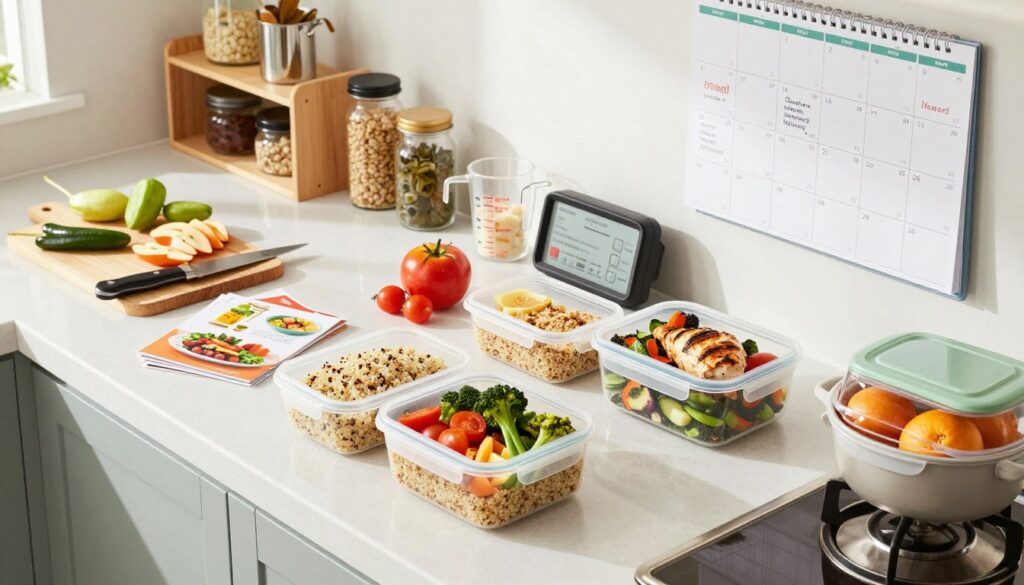
They make throwing together balanced meals incredibly fast. Keep a variety of these options in your kitchen.
Batch cooking is a true game-changer. Cook once, eat multiple times. Make a large pot of soup, chili, or a big tray of roasted veggies.
Portion them out for lunches and dinners throughout the week. This approach guarantees you have good options on hand.
Many meals freeze beautifully for later. Cooked grains like rice, soups, and sauces freeze well. Avoid freezing items you plan to eat raw, like lettuce.
For efficient prep, wash and chop sturdy vegetables in advance. Store them in clear containers. Avoid washing delicate berries too early.
This system cuts down daily cooking to mere assembly. It reduces decision fatigue and saves money by preventing food waste.
Start small to build confidence. Maybe just prep your snacks or one main dish for the week. Soon, this habit will feel natural and empowering.
You’ll have more energy and less stress around eating. That’s the real reward of mastering meal preparation.
When time is your most limited resource, having a roster of quick, nourishing options is essential. This section is your toolkit for fast fuel.
We’ll cover make-ahead breakfasts, effortless lunches, simple dinners, and power snacks. The goal is to keep your energy steady from your first class to your last study session.
Never skip your morning meal. Research is clear on this. A study in the Journal of American College Health found a direct link.
Students’ GPAs increased with the number of days they ate breakfast. It truly sets the tone for your entire day.
Thankfully, a good breakfast doesn’t need to be slow. Try these quick options:
Prep these the night before. You’ll have a brain-boosting meal ready in seconds.
Midday and evening meals should be just as streamlined. Think in terms of easy assembly, not complicated cooking.
For lunch, try the salad-in-a-jar method. Put dressing at the bottom, then add grains like rice, protein like chickpeas or canned fish, and top with greens.
Dinner leftovers make a perfect next-day lunch. For cooking, embrace one-pan or one-pot formulas.
They minimize cleanup and maximize flavor. A classic is baked salmon with sweet potato and broccoli.
Another winner is a one-pot chili with beans and vegetables. On ultra-busy days, create a “snack meal.”
Combine items like cheese slices, turkey, a handful of nuts, and an apple. It’s a satisfying, balanced plate without any cooking.
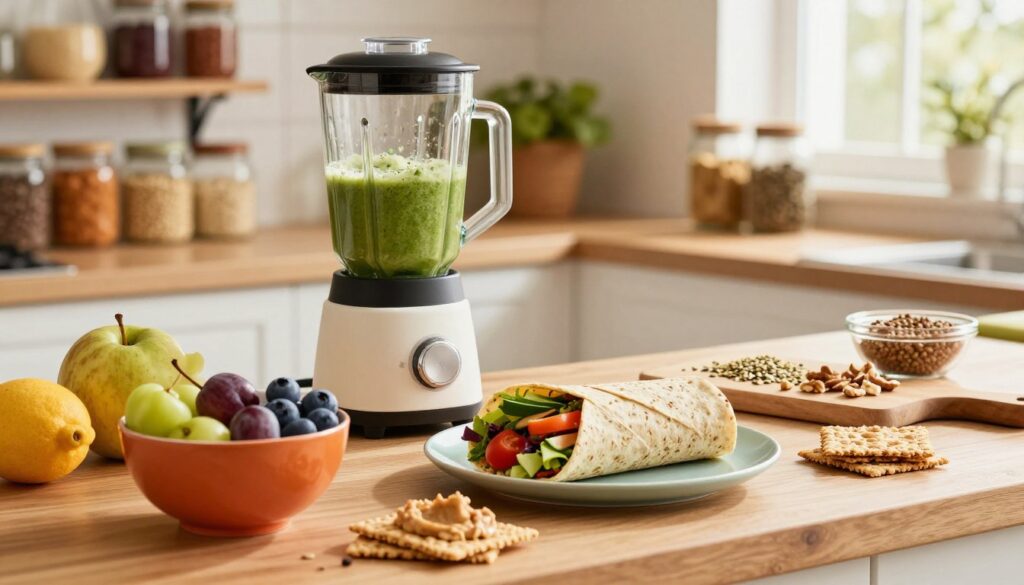
The right snacks prevent that 3 p.m. crash. Avoid sugary drinks and candy.
Instead, choose combos with protein, fiber, and healthy fats. They stabilize your blood sugar and keep you full.
Excellent options include Greek yogurt, apple slices with almond butter, or hummus with carrot sticks.
Homemade trail mix with nuts, seeds, and a few dark chocolate chips is another great choice.
Incorporate “smart foods” known to support brain health. Aim for berries a few times a week.
Include leafy greens like spinach in your salads. Enjoy fish like salmon for dinner twice weekly.
Here’s how a sample day might look:
The key is simplicity and repetition. Find a few go-to meals you enjoy and rotate them.
This approach is far more sustainable than trying new, complex recipes every day. Build your personal roster of quick wins.
True nutritional success comes from building a flexible framework that supports your goals without rigidity. Better eating is absolutely possible with your packed schedule.
Begin with just one change. Master your breakfast or try a single weekly planning session. These small, consistent wins build lasting habits far better than drastic overhauls.
Remember, perfection isn’t the goal. An occasional fast-food meal or skipped prep day is normal. The plate model, smart prep, and quick options create a system that works for you.
View this as an investment in your energy, focus, and long-term health. The time you put into nourishing your body pays real dividends.
Celebrate your progress and revisit this guide whenever needed. You’re building a healthier relationship with food that will serve you well beyond your student years.