Physical Address
304 North Cardinal St.
Dorchester Center, MA 02124
Physical Address
304 North Cardinal St.
Dorchester Center, MA 02124


What if the food on your plate could be your most powerful ally in managing hormonal health?
This question is vital for the one in ten women of reproductive age navigating polycystic ovary syndrome. This common condition brings challenges like irregular cycles, skin changes, and concerns with fertility.
This guide is your friendly, actionable roadmap. We focus on using nutrition as a core tool for creating balance.
The goal isn’t harsh restriction. It’s about nourishing your body with the right foods. This approach directly supports metabolic health and hormone levels.
Many with this diagnosis experience insulin resistance. This can raise blood sugar and contribute to weight gain. It’s a key driver behind various symptoms.
Our plan offers sustainable, natural strategies. You can start today to feel more in control of your well-being.
At its core, this common hormonal condition involves an imbalance that directly responds to nutritional choices. Polycystic ovary syndrome is fundamentally a disorder of excess.
The ovaries produce too many androgens. These are often called male hormones. This surplus disrupts the delicate process of ovulation and leads to irregular menstrual cycles.
This imbalance manifests in various ways beyond ovarian cysts. Many people experience acne, hair thinning on the scalp, or unwanted hair growth on the face and body.
Fertility challenges are also a frequent concern. These are all signs of the underlying hormonal issue.
A key player in this scenario is insulin resistance. Up to 70% of those with this condition experience it.
Here, the body’s cells don’t respond well to insulin. This hormone helps move sugar from your blood into cells for energy.
When cells resist insulin, sugar stays in the bloodstream. The pancreas then pumps out even more insulin to compensate.
High insulin levels can tell the ovaries to make more androgens. This creates a difficult cycle that worsens symptoms.
Getting a clear diagnosis can be tricky. Not everyone has visible cysts, and doctors use specific criteria.
This complexity means many cases go unrecognized. While it officially affects about 10% of American women, some experts believe the rate could be as high as 25%.
Common PCOS Symptoms and Their Hormonal Links
| Symptom | Primary Hormonal Driver | Notes |
|---|---|---|
| Irregular or Absent Periods | Excess Androgens / Disrupted Ovulation | Androgens interfere with follicle development and egg release. |
| Acne & Oily Skin | High Androgen Levels | Androgens increase sebum (oil) production in skin glands. |
| Hirsutism (Facial/Body Hair) | High Androgen Levels | Androgens stimulate hair follicles in typically male-pattern areas. |
| Weight Gain / Difficulty Losing Weight | Insulin Resistance | High insulin promotes fat storage and increases hunger signals. |
| Thinning Hair on Scalp | High Androgen Levels | Androgens can shrink hair follicles on the head, shortening growth cycles. |
| Darkening of Skin (Acanthosis Nigricans) | Insulin Resistance | Appears as dark, velvety patches, often on the neck or underarms. |
See the powerful connection? Managing insulin often helps lower androgen levels. This, in turn, can ease many frustrating symptoms.
This is where your daily choices become incredibly powerful. Medication can be a helpful part of a treatment plan.
Yet, diet and lifestyle changes are the foundation. They are tools you control every day to influence this complex system.
Your plate offers a direct line to better metabolic health and hormonal harmony. Let’s explore exactly how food creates this positive change.
Every bite you take sends a powerful message to your body’s intricate hormone system. What you eat directly programs your insulin response. This, in turn, dictates the production of other key chemical messengers like testosterone.
When cells become less sensitive to insulin, a state called insulin resistance, the body pumps out more of it to cope. High insulin levels signal the ovaries to overproduce androgens. This worsens common symptoms like irregular cycles and acne.
This creates a tough cycle to break. High insulin leads to high androgens, which then promote further insulin resistance. The goal of a supportive PCOS diet is to interrupt this loop.
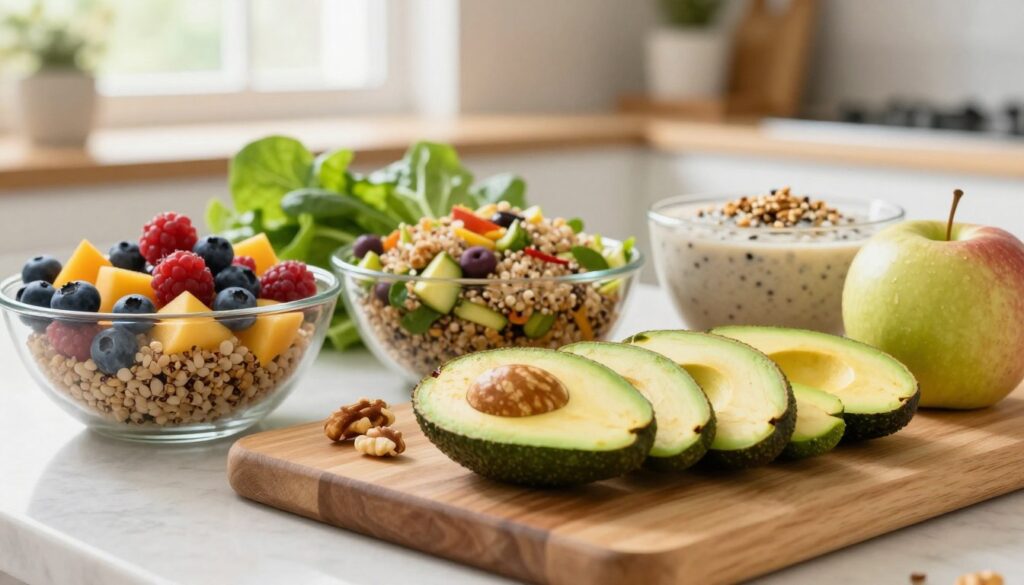
You break the cycle by promoting stable blood sugar. Steady sugar levels prevent those big insulin spikes. This helps your cells become more sensitive to insulin again.
Chronic, low-grade inflammation is another key player. It can worsen insulin resistance. Choosing anti-inflammatory foods helps calm this internal fire.
This approach supports metabolic health and hormonal balance.
Meal timing is a secret weapon. Eating consistent, balanced meals every few hours is crucial.
Now, contrast this with refined carbs and added sugar. These cause rapid sugar spikes. Your pancreas must release a flood of insulin.
Over time, this rollercoaster exhausts your cells. It directly fuels the cycle of resistance and inflammation. It can also promote weight gain and fat storage.
Understanding this science is empowering. Your plate is not the enemy. The right foods become tools you control.
This knowledge shifts your perspective. You move from feeling controlled by your symptoms to actively managing your well-being through daily choices. That’s the true power of a thoughtful diet for hormonal health.
Your kitchen holds the key to calming hormonal storms, starting with these four essential food groups. This isn’t about complicated rules. It’s a simple, sustainable framework for choosing foods that work with your body.
Each group plays a distinct role in supporting metabolic health. Together, they form the foundation of an effective nutritional diet.
“Let food be thy medicine and medicine be thy food.” This ancient wisdom rings especially true for hormonal harmony. The right nutrients provide the raw materials your system needs to function optimally.
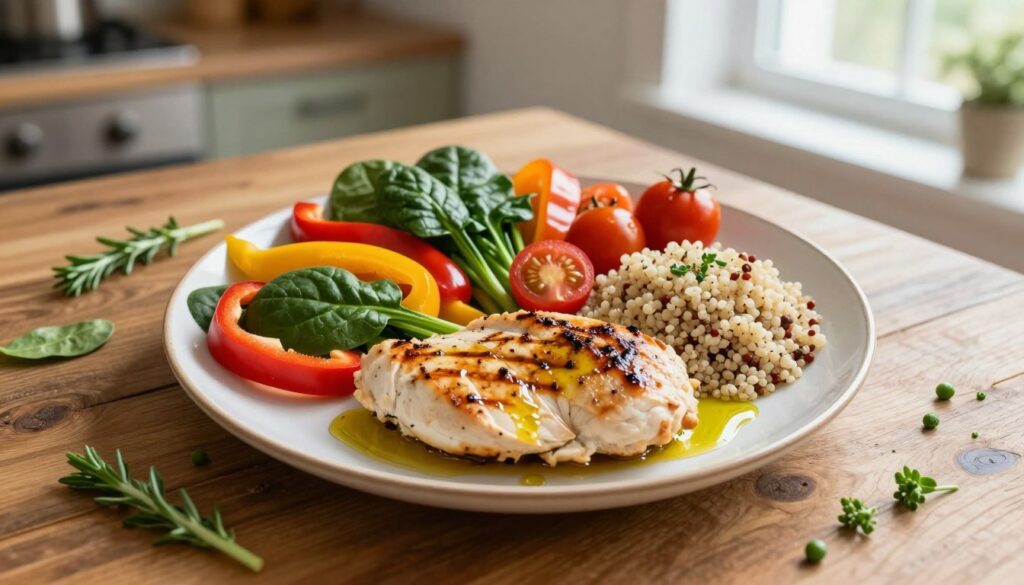
Think of your plate as a puzzle. When all the pieces—fiber, protein, complex carbs, and good fat—fit together, you promote stable blood sugar. This directly helps manage insulin levels.
Fiber is a superstar for this condition. It slows down digestion, which prevents rapid spikes in blood sugar. This steady pace gives your body a break from pumping out excess insulin.
A high fiber intake also supports gut health. A healthy gut can better process and clear out excess hormones. This may help promote better estrogen metabolism.
Top choices include broccoli, Brussels sprouts, leafy greens, berries, and apples. Try adding spinach to smoothies or snacking on carrot sticks. Aim to fill half your plate with these colorful foods.
Protein is crucial for stabilizing energy and keeping you full. It has a minimal impact on insulin, which makes it a powerful tool for reducing cravings.
It also supports muscle building. More muscle can improve your metabolic rate and insulin sensitivity over time.
Excellent sources include chicken, turkey, fish, tofu, tempeh, and eggs. Fatty fish like salmon offer a double benefit. They provide high-quality protein and anti-inflammatory omega-3 healthy fats.
Swap refined grains for their whole grains counterparts. Whole grains like quinoa, brown rice, and oats are complex carbohydrates.
They digest slowly due to their fiber content. This provides sustained energy without the sugar rollercoaster. They are also rich in magnesium, a mineral that may help improve insulin resistance.
Legumes such as lentils, chickpeas, and black beans are fantastic. They combine complex carbs, plant-based protein, and lots of fiber. Adding them to salads or soups boosts nutrient density.
Forget the fat-free myth. Your body needs quality fats to manufacture hormones. The right healthy fats actively fight chronic inflammation.
This inflammation is a common driver of hormonal imbalance. Including these foods is essential for long-term health.
Focus on avocados, nuts, seeds, and olive oil. Flaxseeds are particularly noted for their hormonal benefits. A drizzle of olive oil on vegetables can increase nutrient absorption.
Foundational Food Groups for Hormonal Health
| Food Group | Key Benefits for Hormonal Balance | Top Examples & Serving Tips |
|---|---|---|
| High-Fiber Produce | Slows sugar absorption, supports gut health, aids hormone clearance. | Broccoli, berries, leafy greens. Add to every meal; blend into smoothies. |
| Lean Protein | Stabilizes blood sugar, reduces cravings, supports muscle mass. | Chicken, salmon, tofu, eggs. Include a palm-sized portion with meals. |
| Whole Grains & Legumes | Provides slow-digesting energy, rich in fiber and magnesium. | Quinoa, brown rice, lentils. Swap white rice for quinoa; add beans to salads. |
| Healthy Fats | Reduces inflammation, essential for hormone production. | Avocado, olive oil, walnuts, flaxseeds. Use as dressing, topping, or snack. |
The magic happens when you combine these elements. A balanced plate might include grilled salmon (protein and healthy fats), a large quinoa salad (whole grains and legumes), and steamed broccoli.
This combination provides all the necessary nutrients. It works synergistically to help manage insulin and support overall hormone balance. Focus on whole foods and variety for the best results.
This approach turns eating into a positive, empowering act. You’re directly nourishing your metabolic and endocrine systems with every meal.
Certain everyday items might quietly work against your efforts for hormonal harmony. This isn’t about creating a strict list of forbidden foods. Think of it as a guide for making informed swaps that better support your health.
Reducing these items can help calm inflammation and stabilize your blood sugar. This directly supports better metabolic function. Small, consistent changes here can make a big difference in how you feel.
White bread, white rice, and pastries are common refined carbs. They digest very quickly into simple sugar. This causes sharp spikes in your blood glucose levels.
Your pancreas then releases a flood of insulin to manage the surge. Over time, this rollercoaster can worsen insulin resistance. It directly fuels the hormonal cycle linked to many symptoms.
Instead, try satisfying whole-food alternatives. Swap white rice for quinoa or cauliflower rice. Choose whole-grain bread over white. These options provide fiber that slows digestion.
French fries, packaged snacks, and fast food are typical culprits. They often contain unhealthy trans fat and artificial additives. These components can increase systemic inflammation.
Chronic inflammation is a known driver of hormonal imbalance. It can exacerbate issues like fatigue and skin problems such as acne. Reading labels to avoid “partially hydrogenated oils” is a smart habit.
Also, consider limiting red and processed meats like sausages. They are linked to higher inflammatory markers. Opt for grilled chicken, fish, or plant-based products more often.
Soda, sweetened teas, and energy drinks are high in simple carbs. Liquid calories are especially problematic for blood sugar control. They cause a rapid sugar rush without filling you up.
This can trigger more cravings and contribute to weight gain. Even some artificial sweeteners may disrupt gut bacteria linked to metabolic health. Your body deserves better fuel.
Flavorful, unsweetened alternatives are easy to find. Try sparkling water with a squeeze of citrus, herbal iced tea, or infused water. These keep you hydrated without the sugar crash.
For higher-glycemic vegetables like white potatoes, pairing is key. Enjoy them with a source of fiber or protein. This could mean having a baked potato with broccoli and grilled chicken.
This strategy helps blunt the blood sugar response. It allows you to enjoy these foods without major spikes. Remember, progress over perfection is the goal.
Common Culprits and Smarter Swaps for Hormonal Health
| Category to Limit | Why It’s Problematic | Smarter Swap & Strategy | |
|---|---|---|---|
| Refined Carbs & Sugars | (White bread, pastries, candy) | Rapid digestion causes insulin spikes, worsening insulin resistance. | Choose whole grains (oats, quinoa), pair carbs with protein/fiber. |
| Fried & Processed Foods | (French fries, chips, packaged meals) | Often contain inflammatory trans fats and additives that disrupt hormone levels. | Opt for baked, roasted, or air-fried versions; read labels to avoid trans fats. |
| Sugary Beverages | (Soda, sweet coffee drinks, juice) | Liquid sugar causes fast blood glucose rise, promotes cravings and weight gain. | Switch to sparkling water, unsweetened tea, or water infused with fruit/herbs. |
| Red & Processed Meats | (Bacon, sausage, deli meats) | Linked to increased inflammation, which can aggravate hormonal symptoms. | Incorporate more fatty fish, poultry, tofu, tempeh, and legumes. |
| High-Glycemic Vegetables | (White potatoes, pumpkin) | Can raise blood sugar quickly if eaten alone. | Always pair with a lean protein or high-fiber food to slow absorption. |
Focusing on these swaps empowers you to take control. A supportive PCOS diet is built on knowledge, not deprivation. Each positive choice adds up to better hormone balance.
Be kind to yourself throughout this process. The power lies in consistent, small changes that you can maintain for life. Your journey to feeling better is uniquely yours.
Let’s translate theory into practice with a simple, delicious meal plan designed for hormonal support.
This sample menu is a flexible template, not a rigid prescription. It shows how to combine whole foods for steady energy.
Each day balances fiber, protein, and healthy fats. This trio works together to support metabolic health.
The plan prioritizes whole grains, lean proteins, and plenty of vegetables. These choices are key for managing this condition.
Look at the pairing strategy in every meal. Combining carbs with protein or fat prevents sharp spikes in blood sugar levels.
For example, avocado toast includes ricotta cheese. The fat and protein from the cheese slow the digestion of the bread.
This helps keep your sugar levels stable. Consistent energy is a sign of better hormonal harmony.
3-Day Sample Meal Plan for Hormonal Support
| Day | Breakfast | Lunch | Dinner | Snack Ideas |
|---|---|---|---|---|
| Day 1 | Oatmeal with nuts & seeds | Whole wheat pita with chicken & veggies | Baked chicken parmesan with whole wheat pasta | Nut butter on whole grain toast |
| Day 2 | Whole wheat waffles with peanut butter | Individual whole grain pizza with veggies | Chicken quesadilla on a whole wheat tortilla | Cheese with whole grain crackers |
| Day 3 | Avocado & ricotta on whole grain toast | Whole grain wrap with lean deli meat & salad | Pita pizza with tomato sauce & veggies | Veggie sticks with hummus |
Notice how every meal includes a complex carbohydrate source. Whole grains like oats and whole wheat provide sustained fuel.
Lean protein from chicken, eggs, or legumes keeps you full. It also supports muscle health, which aids metabolism.
Snacks like veggie sticks with hummus add more fiber and protein. This smart intake helps manage pcos symptoms throughout the day.
You can easily customize this blueprint. Swap ingredients based on your preferences or what’s in your fridge.
Don’t like chicken? Use tofu or chickpeas. Prefer a different oil? Use olive oil for dressing or cooking.
The goal is consistency with this style of eating. Following one perfect plan matters less than building lasting habits.
Use this template to create your own weekly menus. Focus on including a variety of colorful foods.
This practical approach directly applies the science we discussed. These meals actively work to calm inflammation.
They also promote stable insulin levels. This is foundational for managing pcos and supporting overall well-being.
Remember, your journey is unique. This diet framework empowers you to make choices that feel good.
Start with one day from this plan. See how your energy and mood respond. Small steps lead to lasting balance.
Nutrition is a cornerstone, but it’s not the only tool in your toolkit for achieving hormonal harmony. Think of your daily routine as a symphony. Food sets the main melody, while other habits provide the supporting harmony.
These lifestyle changes work together with your diet to create a fuller, more effective approach. They can directly help manage underlying factors like insulin resistance and stress.
This holistic view empowers you to take control from multiple angles. Small, consistent changes in these areas can lead to significant improvements in how you feel.
Certain supplements can offer supportive benefits, but they are not magic bullets. Always consult a healthcare provider before starting any new intake. They can ensure it’s safe and right for your individual needs.
Inositol is one of the most researched options for this condition. It’s a vitamin-like compound that may help improve cell sensitivity to insulin.
This can lead to better blood sugar control and even support fertility in some women. It’s often found in powder or capsule form.
Cinnamon is another promising natural aid. Studies suggest it may help improve insulin resistance and help regulate menstrual cycles.
Adding a teaspoon to your oatmeal or smoothie is an easy way to incorporate it. Other supplements also show potential for hormonal health.
Remember, quality matters. Choose reputable products from trusted brands to ensure purity and potency.
Chronic stress and poor sleep are not just nuisances. They are active disruptors of your hormone balance. The stress hormone cortisol can raise insulin levels and worsen androgen production.
This makes stress reduction non-negotiable. You don’t need hours of meditation. Start with five minutes of deep breathing each morning.
Try a gentle walk in nature or losing yourself in a favorite hobby. These small acts signal safety to your nervous system.
Sleep is when your body repairs and regulates. Poor sleep directly worsens insulin resistance and can exacerbate PCOS symptoms.
Good “sleep hygiene” creates the conditions for restful nights. Aim for 8-10 hours of quality sleep if possible.
Establish a regular bedtime routine. Power down screens an hour before bed and keep your room cool, dark, and quiet.
These practices regulate your cortisol rhythm. They give your body the deep rest it needs to manage pcos effectively.
Movement is medicine, but the wrong type can add stress. The goal is to support your metabolism without overwhelming your system.
A balanced approach works best. This includes both gentle movement and moderate-intensity activity.
Yoga and Pilates are excellent for building strength and reducing stress. They improve flexibility and can have a calming effect on the mind.
Swimming and aerobics are great for cardiovascular health. They support a healthy weight and improve insulin sensitivity.
Listen to your body. Some days, a brisk walk is perfect. Other days, you might feel energized for a strength-training session.
Consistency trumps intensity. Moving your body regularly, in ways you enjoy, is the key to sustainable benefits.
These lifestyle changes are essential partners to your nutritional changes. Together, they create a powerful, holistic strategy for nurturing your well-being from the inside out.
This path isn’t about perfection; it’s about progress and consistency. A supportive approach focused on whole foods and stable blood sugar powerfully nurtures your well-being.
Remember, this is a journey of caring for your body, not punishing it. Small, consistent steps lead toward meaningful changes.
Start simple. Add an extra vegetable at dinner. Swap white rice for quinoa. These small shifts support better metabolic health and help manage insulin levels.
This is especially true for managing polycystic ovary syndrome, as it affects everyone differently. If it feels overwhelming, that’s okay. Focus on just one change at a time.
Personalized guidance from a healthcare professional or a specialist helps you build a plan fitting your life. By taking charge of your nutrition and lifestyle, you can significantly improve common symptoms.
Use this guide as your friendly starting point for a healthier, more balanced life.