Physical Address
304 North Cardinal St.
Dorchester Center, MA 02124
Physical Address
304 North Cardinal St.
Dorchester Center, MA 02124

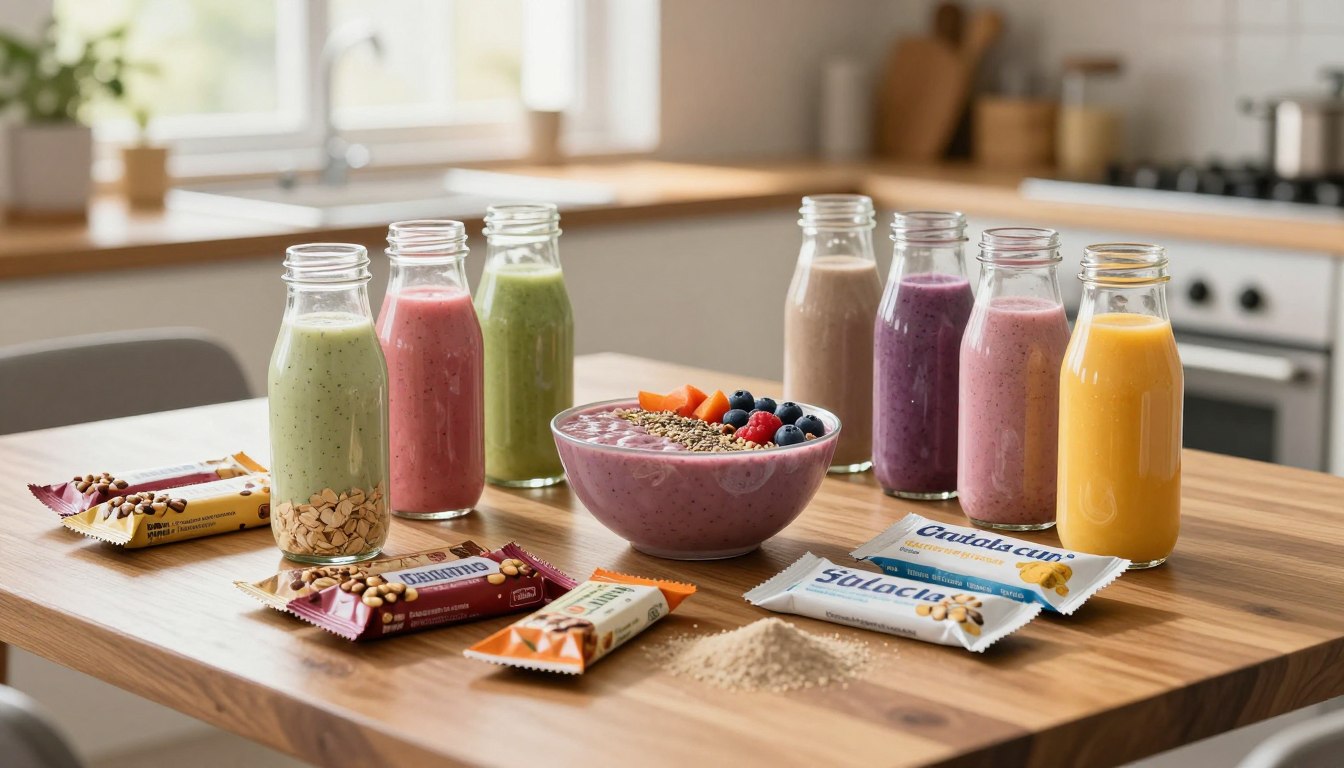
Did you know the first meal replacement shakes were designed for astronauts? During the early space race, scientists created nutritionally complete drinks for zero-gravity missions.
This space-age innovation captivated the public. It led to a boom in these products throughout the 70s and 80s.
Today, this approach has made a huge comeback. It’s now a popular tool for weight management and simplifying your daily routine.
Many people have questions, though. Is it safe? Can it help you lose weight effectively? This friendly guide will explore the facts.
We’ll look at how modern plans work. You’ll learn about their proven benefits and potential drawbacks. We’ll also give you tips on how to choose products wisely.
Gone are the days of just basic shakes. Now you can find bars, soups, and prepackaged meals. These options are packed with essential nutrients and protein.
At its core, this method simplifies calorie and portion control. That’s a key factor for successful, long-term health goals. We’ll use recent science and practical advice to give you a balanced view.
Let’s find out if this strategy could be the right solution for your lifestyle.
Struggling to balance a busy schedule with healthy eating goals is a common challenge. Many people find traditional calorie counting and meal prep overwhelming. This is where modern meal replacements offer a structured, convenient alternative.
These plans provide a clear framework for weight management. They simplify your daily routine by removing guesswork. You swap one or two regular meals with a controlled-portion product.
This simple swap is the core principle. It helps create a manageable calorie deficit for losing weight. On average, men need 2,000 to 3,000 calories per day. Women typically need 1,600 to 2,400.
Replacing a higher-calorie lunch with a 300-calorie shake can make a big difference. It’s a straightforward way to reduce your overall intake without complex math.
Gone are the days of boring, chalky drinks. Today’s replacement products come in exciting forms. You can find savory soups, chewy bars, and smoothies in flavors like vanilla chai.
This variety helps prevent boredom and makes the diet more enjoyable. It’s a far cry from the limited options of the past.
Nutrition is a key focus. Experts recommend a balanced diet with vegetables, fruit, grains, protein, and healthy fats. Quality meal replacements are fortified with essential vitamins minerals to support these goals.
They aim to provide a solid amount of protein and nutrients in each serving. This approach is backed by research as a legitimate tool for health and loss.
This method is especially useful if you struggle with portion control. It’s also great for those short on time for cooking. Having a ready-to-go option eliminates the temptation of unhealthy snacks.
Understanding how to use them effectively is crucial. The table below highlights how this approach compares to traditional methods.
| Aspect | Traditional Meal Planning | Using Meal Replacements |
|---|---|---|
| Time Commitment | High (shopping, prepping, cooking) | Low (just mix or open) |
| Calorie Control | Requires manual tracking | Pre-portioned and labeled |
| Portion Sizes | Easy to over-serve | Consistently controlled |
| Nutrient Consistency | Varies with each recipe | Standardized per serving |
| Variety | Unlimited with whole foods | Expanded with bars, soups, shakes |
In short, these products are a contemporary answer to modern life. They offer a practical way to take charge of your nutrition. Knowing the mechanics, benefits, and cautions is key to making them work for your health plan.
Forget complex formulas. The entire system is built on the power of a simple substitution.
It combines two powerful ideas. First, it makes managing your energy intake almost effortless. Second, it offers tasty choices to keep you on track.
The fundamental goal is creating a consistent calorie deficit. You do this by swapping a high-calorie meal for a lower-calorie, nutrient-dense option.
Think about a typical lunch. It might pack 500 to 800 calories. A quality replacement product often contains just 200 to 300.
That single swap can significantly reduce your total for the day. This control is the key feature for weight loss.
The beauty lies in its simplicity. These items are pre-portioned. You don’t need to weigh ingredients or track every bite.
This removes the guesswork and temptation. It’s a straightforward way to manage portions.
Many people find this approach easier to stick with long-term. It beats diets that require meticulous logging.
The landscape has expanded far beyond the original, chalky shakes. Today, you have a delicious array of formats to choose from.
Ready-to-drink shakes now come in gourmet flavors. Options like vanilla chai or mint chocolate chip are common.
You can also find hearty soups, chewy bars, and thick smoothies. Some companies even offer complete, prepackaged meals.
This variety is crucial for success. It helps prevent taste fatigue. You can pick options that fit your mood and schedule.
Having different choices makes the strategy more enjoyable. It feels less like a restrictive regimen.
The table below breaks down the common modern products. It shows how they compare in key areas.
| Format | Convenience | Typical Calories | Best For |
|---|---|---|---|
| Shakes & Smoothies | Very High (just mix or shake) | 200-250 | Quick breakfast or post-workout |
| Soups | High (just add hot water) | 250-300 | A savory, warming lunch option |
| Bars | Extreme (grab-and-go) | 300-350 | Portable snacks or busy days |
| Prepackaged Meals | High (microwave-ready) | 350-400 | Replicating a traditional dinner plate |
Each format provides a solid amount of protein and essential nutrients. They are designed to keep you satisfied.
This evolution means you’re not just drinking your food. You’re choosing from a range of convenient, balanced foods.
Together, simple calorie control and enjoyable options create a practical plan. It’s a modern way to approach your nutrition goals without constant cooking.
Remember, these replacements work alongside whole foods like vegetables and fruits. They are tools, not a complete diet replacement.
Scientific research now confirms multiple, lasting benefits from incorporating fortified food options into your routine.
The advantages reach well beyond the number on the scale. They touch on nutrition, appetite, and overall metabolic wellness.

A major review of 23 clinical trials provides strong evidence. It shows these strategies are powerful for weight management.
On average, participants lost 1.4kg more after one year than those on other plans. With professional support, the difference grew to 2.2kg more.
When compared to other supported programs, the gap was even larger at 3.9kg. This proves their effectiveness for losing weight.
Follow-up studies show this loss can be maintained for up to four years later. It debunks the idea that they are only a short-term fix.
When you reduce your calorie intake, getting all your nutrients can be tough. Quality replacement products solve this.
They are scientifically formulated and fortified with essential vitamins minerals. This ensures your body gets what it needs.
Research found use meal replacements in an energy-restricted diet was not linked to nutritional gaps. This makes them a safe choice for your health.
Ever feel hungry soon after a small meal? These products are designed to fight that.
They are typically high in protein and fiber. Both are crucial for satisfaction and reducing cravings.
This smart formulation helps manage your appetite throughout the day. It can significantly cut down on unhealthy snacks.
Even though a shake or bar might look small, it’s packed to keep you feeling full.
The perks go deeper than body weight. They can positively influence key health indicators.
Studies show people using meal replacements saw better improvements in HbA1c. This is a vital blood marker for type 2 diabetes risk.
Enhancing these markers suggests better metabolic control. It means the strategy supports your whole system, not just weight loss.
This holistic impact makes them a valuable tool for long-term wellness.
No nutritional strategy is perfect, and using fortified shakes and bars comes with important considerations. Being aware of these potential downsides helps you make smarter, safer choices for your long-term wellness.

Let’s explore some common concerns. This way, you can navigate them effectively if you decide these products are right for you.
Many popular shakes and powders are highly processed. To improve taste and shelf life, manufacturers often add artificial flavors, sweeteners, and preservatives.
This isn’t inherently bad, but it’s a key factor. Your best defense is becoming a diligent label reader.
Look for short, recognizable ingredient lists. If you see a long list of chemical names you don’t know, you might want to explore other options.
Choosing simpler formulas can help you avoid unwanted additives. This supports your overall health goals.
Individual shakes often contain only 150 to 200 calories. This is fantastic for creating a daily deficit.
However, it can be risky if not managed carefully. Relying solely on such low-calorie options for multiple meals can lead to excessive restriction.
Severely cutting your intake may slow your metabolism over time. It can also create gaps in essential nutrients if your overall diet isn’t planned well.
The smart approach is balance. Ensure your total daily calorie consumption meets your body’s basic needs.
You can do this by incorporating other nutritious foods and snacks throughout your day.
| Potential Pitfall | Smart Approach |
|---|---|
| Relying on ultra-low-calorie shakes for all meals | Use one or two replacements daily, and enjoy a balanced, whole-food meal for the third. |
| Ignoring the ingredient list | Scan labels for whole food sources, high protein, and fiber, while avoiding long lists of additives. |
| Overlooking total daily nutrition | Track your overall intake to ensure you’re meeting vitamin, mineral, and energy needs. |
| Forgetting about food enjoyment | Complement convenient replacements with meals that provide sensory pleasure and social connection. |
Common allergens like dairy (whey protein) and soy are in many formulas. If you have sensitivities, seek out plant-based alternatives made from peas, rice, or hemp.
Also, be wary of hidden added sugars. Companies use them to make shakes taste better.
Terms like sucrose, fructose, and corn syrup on the label can undermine your weight management efforts. Opt for options sweetened naturally, perhaps with stevia or monk fruit.
A good rule is to look for at least 3 grams of fiber. Also, aim for a protein content that is higher than or equal to the carbs.
The most important point is that these are tools, not a permanent solution. They should complement a diet rich in whole foods.
Fruits, vegetables, and grains provide phytonutrients and diverse fibers that processed products can’t fully replicate. The act of eating a variety of real food also offers enjoyment and social benefits.
Long-term weight loss and health rely on building sustainable habits around real foods. Think of meal replacements as a helpful shortcut on busy days, not the entire journey.
Used wisely with this understanding, they can be a powerful part of your weight management toolkit.
With so many options on the market, picking the best product requires a smart strategy. Not all shakes and bars are created equal. Your choice directly impacts your satisfaction and results.
Taking a few minutes to evaluate labels pays off. It ensures your convenient nutrition supports your wellness goals effectively.
Focus on these four key areas during your selection process. They will guide you toward a high-quality option you’ll enjoy using.
Prioritize protein content first. Look for at least 15 to 20 grams per serving.
This amount helps preserve muscle mass during weight loss. It also promotes a strong feeling of fullness after consumption.
Next, examine the dietary fiber. A good target is a minimum of 3 grams per serving.
Fiber aids digestion and further enhances satiety. Together, protein and fiber are a powerful duo for appetite control.
Finally, compare the protein-to-carbohydrate ratio. Opt for products where the protein grams equal or exceed the total carbs.
This balance supports steadier blood sugar levels. It’s a smart move for long-term weight management.
Turn the package around and read the ingredients. A short, recognizable list is often a positive sign.
Whole food sources like oats, nuts, or pea protein should appear near the top. Be cautious of long lists filled with chemical names.
Watch out for added sugars. Avoid items where sugar, syrup, or sucrose are listed in the first three ingredients.
Excessive artificial sweeteners and flavors are also red flags. Your body deserves better.
If you have a dairy allergy or lactose intolerance, check carefully. Many powders use whey or milk-based protein.
Plant-based alternatives from peas, rice, or hemp are excellent options. They provide the nutrients you need without the discomfort.
Liking the taste is non-negotiable for long-term use. If you don’t enjoy it, you won’t stick with the plan.
Many companies offer sample packs or small trial sizes. This is a wise way to test flavors before committing to a large purchase.
Think about your lifestyle and convenience needs. Ready-to-drink bottles are perfect for grab-and-go moments.
Powders you mix with water or milk offer more customization. You can adjust thickness and often get better value per serving.
Your choice should fit seamlessly into your routine. Convenience reduces friction and helps maintain consistency.
For extra assurance, seek products verified by independent organizations. Look for seals from NSF International or USP (United States Pharmacopeia).
These certifications test for purity, quality, and accurate labeling. They confirm the product contains what it claims.
Consider consulting a registered dietitian or your doctor. A health professional can provide personalized advice.
They can recommend specific brands based on your unique health needs and objectives. This support is invaluable.
Investing time in this selection step is crucial. A high-quality product you genuinely like becomes a powerful tool.
It transforms a simple swap into a sustainable strategy for your diet. Choose wisely to set yourself up for success.
Ultimately, the right approach for managing your weight fits seamlessly into your life. If you’re considering losing weight, our latest evidence suggests these strategies can be a sound option.
They offer a scientifically-backed, convenient method for calorie control and significant weight loss. Benefits include proven long-term effectiveness and nutritional completeness.
Remember to consider processing and low calories. Success hinges on choosing high-quality products rich in protein and fiber.
Reflect on your personal goals. For many, this can be a helpful jumpstart within a broader, balanced approach to health.
Always consult a healthcare provider before starting. You now have the information to make a confident, informed decision for your weight management journey.