Physical Address
304 North Cardinal St.
Dorchester Center, MA 02124
Physical Address
304 North Cardinal St.
Dorchester Center, MA 02124

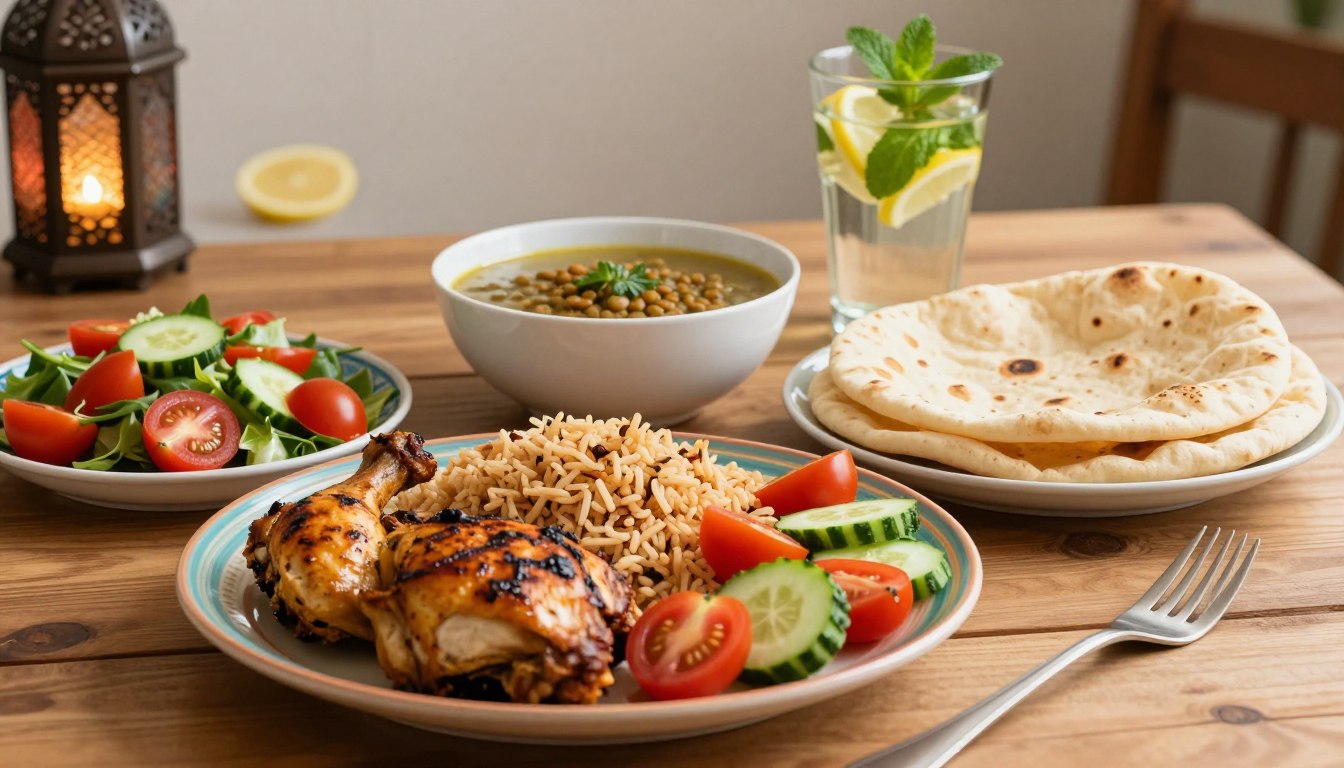
What if this holy month could transform your health as much as your spirit?
Many people see the fasting hours as a challenge. They worry about low energy or gaining weight. This time is actually a unique opportunity for your body. You can reset old eating habits and feel more energized.
Our guide is your friendly companion. We focus on a sustainable nutritional approach. It’s not about strict rules or feeling deprived. You will learn how to break your fast wisely.
Smart choices at iftar and suhoor keep you full. They support your worship and daily activities. This plan helps you manage calories and improve your well-being.
Let’s make this a period of positive change. You can nourish your soul and reach your goals.
Let’s begin by reframing the fasting experience as a powerful tool for intentional nourishment, not deprivation.
Many people approach this month worried about low energy or managing their weight. It can feel like a challenge. Yet, this structured time is a unique chance to align your physical habits with your spiritual goals.
Your success hinges on a simple mindset shift. Instead of seeing limits, view it as an opportunity. You get to choose foods that fuel your body with lasting energy.
This approach turns a daily routine into a conscious practice. You learn to listen to what your body truly needs.
“Caring for your physical health is an act of worship; it prepares your spirit for deeper connection.”
Think about your goals. Do you want to feel lighter? More focused during prayers? The key is a sustainable plan. It’s not about a strict diet.
A good strategy considers hydration, smart meal choices, and quality sleep. These pillars support you all day long.
To make this clear, let’s look at two different approaches. One leads to struggle, the other to success.
| Viewing Fasting as Restriction | Viewing Fasting as Opportunity |
|---|---|
| Focus is on “can’t have” certain foods. | Focus is on “get to nourish” your body. |
| Leads to overeating at iftar due to hunger. | Promotes balanced meals that prevent spikes. |
| Energy crashes are common during the day. | Steady energy supports worship and tasks. |
| Weight management feels like a constant battle. | Healthy weight becomes a natural byproduct. |
| Mindless eating habits often continue. | Creates space for new, mindful eating habits. |
Our guide helps you adopt the right-hand column’s mindset. You’ll discover how to break your fast in a way that satisfies. Learn which foods provide the best fuel for your pre-dawn meal.
This journey is about feeling stronger and more present. A healthy body fosters a clear, receptive mind. Get ready for simple steps that prioritize your complete well-being this month.
This sacred month offers more than spiritual renewal. It’s a built-in period for physical reset.
Your daily routine gets a complete overhaul. This change creates a powerful opening for new habits.
You can move away from automatic eating patterns. The structure supports both your spiritual and physical goals.
Fasting does something remarkable inside you. It helps recalibrate your internal signals.
A key player is the hormone ghrelin. Your stomach makes it based on your normal meal schedule.
During the first few days of fasting, you might feel strong hunger pangs. This is ghrelin peaking at your usual lunch or dinner time.
But your body is smart. It quickly adapts to the new schedule.
After a short adjustment period, those hunger spikes lessen. You start feeling more in control.
This biological shift is a golden opportunity. It helps you break free from mindless snacking.
You learn to recognize true, physical hunger. This is a foundational skill for managing your weight.
Let’s see how this reset works in practice. The table below shows the contrast.
| Normal Eating Pattern | During Ramadan Fasting |
|---|---|
| Ghrelin spikes at regular meal times, driving hunger. | Ghrelin secretion adjusts, reducing intense hunger cues. |
| Eating can be reactive and habitual. | Eating becomes a conscious, scheduled act. |
| Blood sugar levels may rollercoaster throughout the day. | Blood sugar stabilizes during the fasting hours. |
| Metabolism runs on a frequent fueling schedule. | Metabolism learns to access stored energy efficiently. |
The spiritual practice of fasting teaches moderation. This principle is a direct path to better health.
Mindfulness at the table becomes part of your worship. You pay attention to what and how much you eat.
Ancient Islamic wisdom offers profound guidance here. It emphasizes eating lightly for clarity and strength.
“No human ever filled a vessel worse than the stomach. Sufficient for any son of Aadam are some morsels to keep his back straight. But if it must be, then one third for his food, one third for his drink and one third for his breath.”
This teaching encourages leaving space in your stomach. It prevents that heavy, sluggish feeling.
Imam Shaafi’ee lived this wisdom. He said, “I have not filled myself in sixteen years because filling oneself makes the body heavy, removes clear understanding, induces sleep and makes one weak for worship.”
His words connect physical fullness to mental fog and low energy. They highlight why a light meal plan supports your goals.
Aligning your physical actions with spiritual intent creates synergy. The discipline you build in one area strengthens the other.
This month is your chance to build that lasting, healthier relationship with food. Your body and spirit will thank you.
Grasping the rhythm of your eating and fasting hours is the first step toward achieving your health goals. During this month, your daily pattern changes completely.
Fasts often last around 16 hours. Your eating window is limited to pre-dawn and post-sunset. This structure isn’t a barrier—it’s a powerful framework.
It creates a natural pattern for managing calories and improving metabolism. You can work with this schedule to support fat loss and steady energy.
Let’s explore how to make your limited eating hours work for you.
Think of your eating window as a metabolic opportunity. It’s the limited time each day when you fuel your body.
This window is typically just 8 hours long. What you consume during this period matters greatly.
Structuring your meals wisely keeps your metabolism active. It also supports your body’s natural fat-burning processes during the fast.
Your goal is to avoid large, heavy meals that cause energy spikes and crashes. Instead, focus on balanced nutrition spread across your eating hours.
| Less Effective Approach | Optimal Strategy |
|---|---|
| Consuming most calories in one huge meal. | Distributing calories across iftar and suhoor. |
| Eating quickly as soon as the fast opens. | Starting with light nourishment, then a main meal. |
| Skipping the pre-dawn meal entirely. | Always having a sustaining suhoor to power your day. |
| Choosing sugary foods for quick energy. | Selecting protein and complex carbs for lasting fuel. |
This approach helps manage hunger. It also stabilizes blood sugar throughout the fasting hours.
Your body needs steady fuel for worship, work, and family time. The right food choices make this possible.
Balancing macronutrients is crucial. Each plays a specific role in keeping you alert and strong.
This combination prevents the fatigue many people feel. It powers you through Taraweeh prayers and daily tasks.
Quality sleep is another pillar of energy balance. A good rest schedule supports your metabolism and willpower.
Listen to your body’s signals. If you feel sluggish, adjust your meal timing or portions. A flexible plan leads to lasting success.
Align your eating with your body’s circadian rhythm and worship schedule. This harmony is the blueprint for a healthy, energized month.
Water isn’t just a drink; it’s the fuel that powers your focus and physical stamina. Staying hydrated is arguably the most critical part of a healthy fast.
It directly impacts your energy levels and cognitive function. Good habits also help you manage hunger more effectively.
This period requires a thoughtful approach to fluids. Your goal is to prevent dehydration throughout the next day’s fasting hours.
A simple, practical schedule makes all the difference.
Plain water is your primary beverage for a reason. It’s calorie-free and essential for every function in your body.
Many people make a common mistake at iftar. They gulp down a large glass quickly.
This can lead to discomfort and doesn’t satisfy your body’s needs. The art of sipping slowly is key.
Take small, steady sips when you break your fast. This method maximizes absorption and promotes a feeling of satisfaction.
Aim for about one glass per hour during your eating window. This steady intake helps you drink plenty without feeling overwhelmed.
Make sure to include juicy fruits like watermelon or oranges. They provide extra fluids and valuable nutrients.
Your body will thank you with sustained energy and clearer thinking.
Not all beverages are created equal. Your choices can support or hinder your hydration goals.
Embrace fluids that replenish without adding empty calories. Be cautious of special Ramadan drinks that are often high in sugar.
These sugary sodas and commercial juices can spike your blood sugar. They may lead to energy crashes later.
Instead, focus on nourishing options. Freshly squeezed juice in moderation is a better choice.
Milk is another excellent option for hydration and nutrition. It provides protein and keeps you full.
Here’s a clear guide to help you choose wisely.
| Fluids to Embrace | Drinks to Limit or Avoid |
|---|---|
| Plain water (still or sparkling) | Sugary sodas and colas |
| Milk (dairy or unsweetened plant-based) | Commercial Ramadan drinks (e.g., Vimto, Jallab) |
| Freshly squeezed fruit juice (small glass) | Sweetened iced teas and lemonades |
| Herbal teas (caffeine-free, unsweetened) | Energy drinks and sports drinks |
| Water-rich foods like cucumber, melon, and berries | Excessive coffee and caffeinated tea |
Also, pay attention to salt and caffeine. Too much salt can make you thirsty.
Excessive caffeine may increase fluid loss. Moderation is the best way to maintain balance.
Following this hydration game plan keeps you feeling fresh and focused. It’s a simple step with a powerful impact on your health.
Your success hinges on more than what you eat—it’s about when you eat. Proper timing prevents overeating and keeps your energy stable.
It turns two daily meals into a powerful routine. This rhythm supports your physical and spiritual activities all month long.
When the sun sets, your first instinct might be to eat a large meal. A gentler approach is much better for your body.
Start with a date and a glass of water. Sip the water slowly to rehydrate without shocking your system.
This simple act follows a cherished tradition. It also gives your digestive system a calm wake-up call.
Wait about 15 minutes before having your main iftar food. This pause lets your body register the initial nourishment.
You will feel true hunger signals more clearly. It helps you avoid consuming too many calories too quickly.
Never skip your pre-dawn meal. Think of it as your essential fuel tank for the long day ahead.
Eating a good suhoor provides lasting energy. It helps you stay focused during worship and daily tasks.
Skipping it often leads to intense hunger and sluggishness. Your body needs that morning fuel to function well.
A smart pre-dawn meal includes protein, complex carbs, and healthy fats. These nutrients release energy slowly over many hours.
Many people combine iftar and dinner into one huge feast. This can cause stomach discomfort and energy crashes.
A better strategy is to allow a gap. Aim for about 1.5 hours between your initial break fast and your main evening meal.
Use this time for Maghrib prayer or a light activity. This aids digestion and helps manage portion sizes naturally.
Your body gets a chance to process the first food. You will feel satisfied with a smaller, healthier dinner later.
| Common Timing Mistake | Smart Timing Strategy |
|---|---|
| Breaking fast with a large, heavy meal immediately. | Start with dates/water, wait 15 mins for main iftar. |
| Viewing suhoor as optional or skipping it. | Treat suhoor as a non-negotiable, strategic breakfast. |
| Having iftar and dinner as a single, combined feast. | Create a 1.5-hour gap between the two meals. |
| Spending the gap time sitting or lying down. | Use the gap for prayer, light walking, or family time. |
This structured approach to meal timing is a key part of any healthy plan. It ensures steady energy release and minimizes discomfort.
You learn to view suhoor as your primary fuel stop. Iftar becomes a thoughtful refueling session, not a feast.
Mastering this schedule makes managing your weight feel natural. It aligns perfectly with the spiritual rhythm of the month.
A well-planned suhoor can make the difference between struggle and steady energy. This early meal is your body’s primary fuel source for the long fasting hours ahead.
Choosing the right foods keeps you full and focused. It also helps prevent dehydration and energy crashes later in the day.
Let’s explore two excellent options. Both are simple to prepare and packed with nutrients.
This warm bowl is a classic for a reason. Oats provide slow-releasing complex carbohydrates.
They give your body sustained energy for many hours. Here is how to build your perfect bowl.
Flaxmeal is the star here. It adds fiber and healthy omega-3 fats.
These nutrients support fullness and heart health. You can find whole flaxseeds in most grocery stores.
Grind them into a meal just before use for the best nutrition. The natural sweetness from the fruit means no added sugar is needed.
This plate is perfect if you prefer a savory start. Protein is key for preserving muscle and feeling satisfied.
This combination fights thirst and promotes fullness all day long.
Yogurt provides fluid and probiotics. Chia seeds expand in your stomach, helping you feel full.
Look for chia seeds in health food aisles or international markets. Pair this with plenty of water to drink.
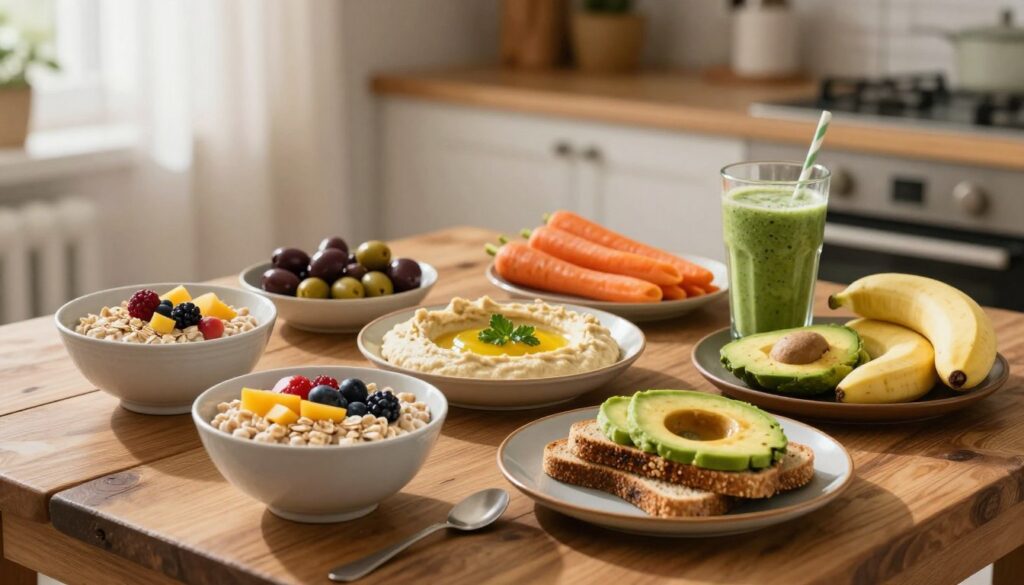
Whether you choose oatmeal or eggs, follow these core guidelines. They ensure your pre-dawn meal works for you.
First, always combine macronutrients. Include a source of complex carbs, quality protein, and healthy fat.
This balance provides slow, steady fuel. It prevents sharp spikes and drops in your energy levels.
Second, prioritize hydration. Drink water throughout your pre-dawn eating window.
Include water-rich foods like cucumbers or melon. This helps combat dehydration during the fasting hours.
Third, avoid sugary and heavily processed foods. White bread, pastries, and sweet cereals cause a quick energy rush.
You will likely feel tired and hungry much sooner. Stick to whole, minimally processed ingredients.
Finally, customize based on your needs. Adjust portions for your activity level and personal goals.
| Effective Suhoor Choices | Less Effective Choices |
|---|---|
| Oatmeal with nuts and berries | Sugary cereal with milk |
| Scrambled eggs on whole-wheat toast | White bread with jam or chocolate spread |
| Greek yogurt with chia seeds and honey | Sweetened yogurt drinks |
| Whole fruits like bananas or apples | Pastries or fried foods |
| Water and herbal tea to drink | Sweetened juices or sodas |
Following these principles makes your suhoor a true powerhouse. You will start your day of fasting strong, satisfied, and ready to focus.
Iftar is more than just ending your fast; it’s a chance to fuel your body with intention. This evening meal replenishes energy after a long day. A smart approach supports your wellness goals without sacrificing joy.
We’ll break the process into three simple steps. This method helps manage hunger and prevents overeating. You’ll feel satisfied and energized for evening prayers and family time.
Begin with a date and a glass of water. This tradition provides a quick natural sugar boost. It gently wakes up your digestive system.
Sip the water slowly to rehydrate. Gulping can cause discomfort. This first step combats dehydration from the fasting hours.
Wait about 15 minutes before eating more. This pause lets your body register the initial nourishment. You’ll recognize true hunger signals better.
Consider a hydrating lemonade with chia seeds. Mix two glasses of water with two tablespoons of lemon juice. Add one tablespoon of honey and fresh mint.
Stir in two tablespoons of chia seeds. Let it sit for 10 minutes. The seeds expand, adding fiber and helping you feel full.
After the initial break, enjoy a light starter. This controls hunger before your main food. It also adds valuable nutrients.
Opt for a fiber-rich salad or a warm soup. Lentil, chickpea, or bean soups are excellent choices. They provide protein and comfort.
Here are two quick recipes you can try. Both are packed with vitamins and minerals.
These starters are low in calories but high in volume. They help you eat less during the main meal. Your body gets plenty of hydration from the vegetables and fruit.
Now, build your main plate using the “plate method.” This visual guide ensures a balanced intake. It promotes satiety and provides lasting energy.
Fill half your plate with non-starchy vegetables. Think colorful options like spinach, bell peppers, and broccoli. These are low in calories but rich in fiber.
Allocate one quarter to lean protein. Grilled chicken, fish, or legumes are great sources. Protein preserves muscle and keeps you full for hours.
The remaining quarter is for complex carbohydrates. Brown rice, quinoa, or whole wheat bread work well. They release energy slowly throughout the evening.
Choose healthy cooking methods. Grilling, baking, or steaming are better than frying. They keep added fats and calories in check.
Be mindful of portion sizes. Use a smaller plate to naturally limit quantities. Listen to your body’s fullness cues.
This balanced approach provides all essential nutrients. It supports your diet plan and weight management efforts. You avoid the sluggishness that comes from heavy, oily foods.
| Effective Iftar Choices | Less Effective Choices |
|---|---|
| Start with dates and water, then a light soup | Breaking fast with fried appetizers and sugary drinks |
| Main plate: Grilled fish, steamed broccoli, quinoa | Large portions of biryani, fried meat, and white bread |
| Hydrating with herbal tea or infused water | Drinking multiple glasses of sweet soda or juice |
| Dessert: Fresh fruit salad or a small piece of dark chocolate | Heavy, syrup-soaked sweets like baklava or gulab jamun |
| Cooking method: Baking or grilling proteins | Deep-frying most items like samosas and pakoras |
Following these three steps makes your iftar both satisfying and healthy. You honor tradition while caring for your body. This way of eating helps you maintain energy and focus.
Remember, the goal is nourishment, not deprivation. Enjoy your meal mindfully. This practice turns breaking fast into a cornerstone of your successful month.
Your evening meal is the final piece of the puzzle for a successful day of fasting. This is when you provide your body with the building blocks it needs for repair and recovery overnight.
We focus on meals that are satisfying yet light. This ensures peaceful sleep and easy digestion. You will feel comfortably full, not stuffed.
These dinner ideas align perfectly with a healthy eating pattern. They help you manage calories and support your wellness goals.
For a simple, powerful dinner, center your plate around lean protein and colorful vegetables. This combination is rich in nutrients and low in empty calories.
Try a small chicken steak marinated with ginger, garlic, and your favorite spices. Grill it using a touch of coconut or olive oil.
Serve it with a large portion of steamed or roasted vegetables. Broccoli, carrots, and bell peppers add fiber and vitamins.
This type of meal is packed with protein to keep you full. The veggies provide volume and hydration, aiding digestion.
Fish fillets are another excellent choice. They offer healthy fats and cook quickly for busy evenings.
Some people prefer heartier meals in the evening. Healthy carbohydrate-based dishes can be both nutritious and satisfying.
Whole grains like brown rice, quinoa, or whole wheat pasta are great bases. They provide sustained energy and fiber.
Combine them with lean protein sources and plenty of vegetables. This creates a balanced plate that fuels your body properly.
These meals are ideal if you have a longer gap before sleep. They release energy slowly, preventing hunger later.
Using wholesome ingredients is key. Avoid heavy sauces and excessive oil to keep things light.
Here is a complete, easy-to-follow recipe. It’s packed with protein, fiber, and iron to support your health.
Ingredients:
Instructions:
Time-saving tip: Batch-cook the seasoned mince ahead of time. Store it in the fridge for up to three days. This makes assembling dinner incredibly fast on busy nights.
The emphasis is on using wholesome ingredients and healthy fats like olive oil. Plenty of herbs and spices add flavor without excess salt or sugar.
This way of eating supports a sustainable diet plan. It helps you feel energized and ready for rest.
| Effective Dinner Choices | Less Effective Choices |
|---|---|
| Grilled chicken with steamed vegetables | Large portions of fried meat with heavy gravy |
| Whole wheat pasta with lean mince and veggies | White pasta with creamy, high-fat sauces |
| Baked fish with a side salad | Breaded and deep-fried seafood |
| Stir-fried tofu and broccoli with brown rice | Takeout-style greasy stir-fries |
| Dessert: a small bowl of fresh fruit | Rich, syrup-soaked sweets |
These dinner ideas will leave you feeling nourished and satisfied. They complete your day of eating on a high note.
Remember, a light meal promotes better sleep and prepares you for the next day’s fast. It’s a simple habit that makes a big difference.
Exercise during Ramadan should support your worship, not compete with it. A smart movement plan boosts your mood and preserves muscle.
It can even enhance your energy levels throughout the day. The key is adapting your routine to your fasting schedule.
Forget about long, grueling sessions. Focus on consistency and listening to your body’s signals.
This approach helps manage your weight in a healthy way. You will feel stronger and more focused.
Timing is everything when you’re not eating or drinking for many hours. Choosing the right window makes activity feel easier.
One great option is a short 5-10 minute session before suhoor. You are hydrated and can refuel right after.
Another popular time is about an hour before iftar. You can break your fast and rehydrate immediately post-workout.
After Taraweeh prayers is also suitable. Your body has energy from your evening meals.
We generally advise against intense cardio during fasting hours. It can lead to dehydration and exhaustion.

| Recommended Time | Benefits | Considerations |
|---|---|---|
| Before Suhoor | Manageable short session; immediate refueling. | Requires waking up a bit earlier. |
| 1 Hour Before Iftar | Quick rehydration and food after finishing. | May be low on energy; keep intensity light. |
| After Taraweeh Prayers | Fueled by meals; can aid digestion and sleep. | Ensure it doesn’t delay your bedtime. |
| During Fasting Hours | Not recommended for intense effort. | Risk of dizziness and dehydration. |
Not all movement is created equal this month. Your goal is to maintain fitness without draining your energy.
Focus on light to moderate strength training. This preserves precious muscle mass and supports metabolism.
Bodyweight exercises, Pilates, and yoga are excellent choices. They build strength, improve circulation, and combat stiffness.
Gentle stretching is a powerful tool. It fights fatigue and keeps you feeling loose.
Limit long-duration cardio like running or cycling. If you do cardio, keep it very light and short.
Here are some effective activities to try:
This balanced approach helps you burn fat while protecting your health. You avoid overtaxing your system.
The golden rule is to always pay attention to how you feel. Some days you may need rest, and that’s perfectly okay.
Your energy will naturally fluctuate. Adjust your activity level accordingly.
It’s wise to do very little in the last ten days. This allows you to focus fully on worship and spiritual reflection.
Remember, ibadah is the priority. Your exercise routine should never hinder your prayers or devotion.
If you feel dizzy, overly tired, or unwell, skip your workout. Hydration and sleep are more important for recovery.
This flexible mindset is part of a sustainable plan. It helps you stay active throughout the month in a realistic way.
Celebrate any movement you can do. Consistency with kindness to your body leads to lasting results.
Understanding which foods fuel your body and which to limit is a game-changer. Your kitchen environment plays a huge role in your success. Filling it with nourishing options makes healthy eating automatic.
This knowledge helps you build better habits. You can enjoy traditional gatherings without derailing your progress. Let’s explore a practical shopping list and learn to navigate common temptations.
Stock up on these items for your meals. They provide lasting energy and support your goals.
Focus on complex carbohydrates like brown rice and whole grains. These release energy slowly throughout the day.
Lean protein sources are essential for fullness. Include fish, skinless poultry, and legumes like lentils.
Buy plenty of colorful vegetables, both fresh and frozen. They add volume and nutrients without many calories.
Hydrating fruits like watermelon and berries are great snacks. They also help fight dehydration.
Healthy fats from nuts, seeds, and olive oil are important. They keep you satisfied and support overall health.
Beneficial extras include dates for breaking fast and chia seeds for fiber.
Having these foods on hand simplifies meal prep. You can create balanced plates for suhoor and iftar easily.
Many traditional dishes are delicious but heavy. Being mindful lets you enjoy them in smarter ways.
Avoid foods high in unhealthy fat, salt, and added sugar. These can spike your blood sugar and lead to energy crashes.
Common culprits include deep-fried snacks like samosas and pakoras. Creamy sauces and sugary desserts are also tricky.
Heavily salted dishes increase thirst during fasting hours. This can make dehydration more likely.
Learn to identify hidden sugars in packaged foods and drinks. Check labels for words like syrup, sucrose, or fructose.
Unhealthy fats often hide in processed snacks and baked goods. Look for terms like “partially hydrogenated oils.”
We are not about deprivation. It’s about making smarter swaps that still taste great.
| Foods to Be Mindful Of | Smart Swaps & Tips |
|---|---|
| Deep-fried appetizers (samosas, spring rolls) | Bake or air-fry them using minimal oil. |
| Sugary drinks and commercial Ramadan juices | Choose water, herbal tea, or a small glass of fresh juice. |
| Creamy, high-fat curries and sauces | Use tomato-based sauces or natural yogurt instead of cream. |
| White bread and refined pastries | Opt for whole grain bread and oats for sustained energy. |
| Syrup-soaked sweets (baklava, gulab jamun) | Enjoy fresh fruit salad or a few dates for sweetness. |
| Overly salty pickles and processed snacks | Flavor meals with herbs, spices, and lemon instead of salt. |
Flavor your meals with herbs and spices instead of salt. This simple change boosts taste without the sodium.
Replace sweets with fruits or dried fruits. They satisfy a sweet tooth and provide fiber.
These conscious choices support your health goals. You can still enjoy the joy of iftar gatherings.
This approach is key for any effective diet plan. It helps manage weight while nourishing your body properly.
Even the best plan meets challenges, but you can handle them with a few smart strategies. Your journey toward better health is a marathon, not a sprint.
Expect a few bumps along the road. Cravings and social events are normal parts of life this month.
With the right mindset, these moments become opportunities for growth. You learn to adapt and stay committed to your goals.
Cravings can feel strong, especially in the first few days. Your body is adjusting to a new eating schedule.
Use the discipline of fasting to your advantage. When a craving hits, try drinking a full glass of water first.
Often, thirst masquerades as hunger. Distract yourself with a light activity or a few minutes of worship.
Having healthy snacks ready is a great defense. Keep cut-up fruit or a handful of nuts nearby for your eating window.
Social gatherings require a bit of planning. If you’re going out, pack a small container of your own food.
Bring a healthy dish to share with everyone. This ensures you have a nourishing option available.
At the event, enjoy smaller portions of festive foods without guilt. Savor a few bites of your favorite treat.
Focus on the company and conversation, not just the meal. This shift helps you enjoy the gathering fully.
Portion control is a key skill for managing calories. Your body‘s needs can change from day to day.
Use simple visual cues to gauge serving sizes. A serving of protein should be about the size of your palm.
A fist-sized portion is good for complex carbs like brown rice. Fill half your plate with vegetables.
This plan is a guide, not a rigid rule. Listen to your body‘s signals for energy.
If you feel faint or unusually tired, you may need to adjust your portion sizes. Add a bit more to your suhoor or iftar.
Make sure you are drinking plenty of fluids to prevent dehydration. Always consult a doctor if symptoms persist.
A sustainable diet allows for flexibility. It supports your health and daily activities.
The most effective approach is balanced and realistic. Aim to make healthy choices about 80% of the time.
Allow yourself flexibility for the other 20%. This prevents burnout and feelings of deprivation.
For example, enjoy a traditional sweet at a family iftar. Keep the portion small and savor it mindfully.
This mindset turns healthy eating into a lifelong habit. It’s not just a phase for this month.
Remember, weight loss of one to two pounds per week is a normal, healthy rate. Progress, not perfection, is the goal.
Celebrate your consistency over time. Building better habits is the true victory.
| Common Challenge | Typical Reaction | Smart Strategy for Success |
|---|---|---|
| Strong food cravings (especially for sugar) | Giving in immediately or feeling frustrated. | Drink water first, wait 10 minutes, then opt for a healthy alternative like fruit. |
| Social gathering with tempting, rich foods | Overeating or skipping the event to avoid temptation. | Eat a light snack beforehand, bring a healthy dish, and use a small plate for sampling. |
| Uncertainty about how much to eat | Guessing portions, often leading to overeating. | Use the hand-portion guide (palm for protein, fist for carbs) to build a balanced plate. |
| Feeling fatigued during day fasting hours | Assuming the diet plan is too restrictive. | Check hydration first, then consider adding a bit more complex carb or healthy fat to your pre-dawn meal. |
| Wanting to enjoy traditional festive foods | Complete avoidance, leading to later binging. | Apply the 80/20 rule: enjoy a controlled portion mindfully as part of your 20% flexible choices. |
These tips help you navigate real-life situations. They keep you moving forward on your path.
Your weight management journey is personal. Be kind to yourself and focus on the positive changes you’re making.
Good sleep and stress management also support your willpower. You have everything you need to succeed.
The journey toward better health doesn’t end when the fasting period does. This guide offered a foundation for lasting wellness, not just a short-term diet. You’ve cultivated powerful habits like mindful eating, smart hydration, and listening to your body.
Remember the timeless link between a nourished body and a peaceful spirit. Carry the principles of moderation into your daily life. View your health as an ongoing act of self-care.
Build on your momentum. Try new recipes or keep moving. May the discipline and energy you found bless you all year. Here’s to your continued well-being!