Physical Address
304 North Cardinal St.
Dorchester Center, MA 02124
Physical Address
304 North Cardinal St.
Dorchester Center, MA 02124

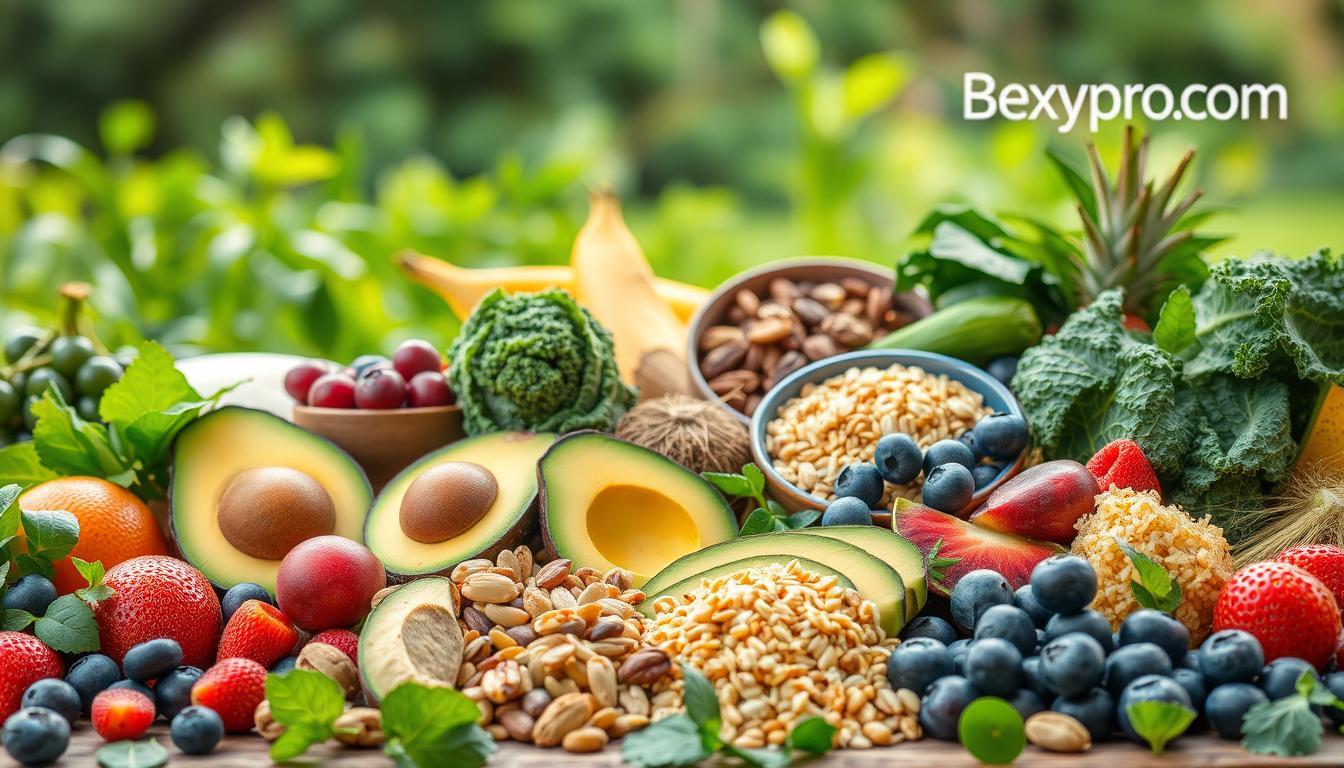
Surprising fact: nearly one-third of U.S. adults have at least one diet-related chronic condition, yet small, consistent food choices can cut risk and boost energy fast.
I use the term superfoods as a simple label, but I rely on whole eating patterns rather than a single magic item. My focus is practical: easy swaps and staples that I can keep up with every week.
I choose foods rich in antioxidants, fiber, healthy fats, and protein—like leafy greens, berries, olive-forward dressings, nuts, and seeds—to support heart health, digestion, and steady energy.
Real benefit: building meals around versatile staples makes healthy eating effortless. I mix these items into bowls, salads, smoothies, and simple skillet meals so nutrition fits my life, budget, and local grocery options.
I question marketing hype and focus on sustained habits over flashy food claims. The label “superfood” is useful shorthand, but it was coined to sell products more than to define true nutrition science.
My approach emphasizes overall diet quality and consistent habits. Good health comes from varied, nutrient-rich foods eaten often, not from a single item that magically prevents disease.
I favor items with proven effects on inflammation, blood lipids, and metabolic markers. I also pick minimally processed staples I can buy locally and afford. This keeps my plan realistic and repeatable.
| Common Claim | Reality | How I Use It |
|---|---|---|
| Single food prevents disease | No single item prevents disease | Combine varied foods in weekly meals |
| Novel trend items fix health | Evidence often limited | Prefer well-studied staples with measurable effects |
| Expensive equals better | Costy doesn’t guarantee benefit | Choose affordable, nutrient-dense options |
Dark leafy greens are my go-to for simple, proven nutrition that supports daily energy and long-term health. They give concentrated nutrients without fuss and fit into quick meals.
Greens supply folate, iron, magnesium, vitamin C, and natural calcium. Studies link regular intake to lower risk of chronic disease, including reduced rates of heart disease and type 2 diabetes.
I note research on dietary nitrates: one cup of nitrate-rich greens daily is tied to stronger lower-limb function. Higher antioxidant levels in these vegetables also relate to lower dementia risk.
Small but mighty, berries deliver a lot of nutrition per bite.
I rotate blueberries, strawberries, and raspberries because they add fiber, vitamins, and color with almost no prep. I keep frozen bags on hand for price and convenience.
How I use them: I toss berries into yogurt bowls, blend them in smoothies, or fold them into oatmeal and salads for a quick nutrient lift.
| Berry | Key Nutrients | Best Uses |
|---|---|---|
| Blueberry | Vitamin C, fiber, anthocyanins | Smoothies, yogurt, baking |
| Strawberry | Vitamin C, folate, fiber | Salads, bowls, snacks |
| Raspberry | Fiber, manganese, ellagitannins | Oatmeal, desserts, sauces |
Bottom line: I treat berries as easy, affordable foods that boost flavor, texture, and antioxidant support for everyday health and practical benefits.
A simple green tea ritual helps me stay hydrated while adding meaningful antioxidants to my routine. I treat each cup as an easy habit that supports daily balance rather than a miracle cure.
EGCG, a major catechin in green tea, is linked to lower inflammation and long-term protection against chronic disease. Research ties EGCG and other polyphenols to lower risk of heart disease, diabetes, and some cancers.
I find the combined effects of catechins plus caffeine can give a modest metabolic nudge when paired with steady nutrition and movement. That makes green tea useful for gentle weight-support strategies without relying on supplements.
Practical note: green tea complements balanced meals that include healthy fatty acids and whole foods. For real health benefits, I rely on habits, not single beverages.
I often turn to eggs when I need a quick, complete protein that also packs eye-friendly nutrients.
Eggs are a convenient source of B vitamins, choline, selenium, vitamin A, iron, and phosphorus. They deliver high-quality protein and contain lutein and zeaxanthin, antioxidants linked to better vision.
Research shows eating up to 6–12 eggs per week does not raise heart disease or diabetes risk for most people. Eggs may even raise HDL, which can support long-term health.
| Benefit | Key nutrients | Typical use |
|---|---|---|
| Complete protein | Protein, B vitamins, choline | Breakfast, salads, snacks |
| Vision support | Lutein, zeaxanthin, vitamin A | Omelets, bowls |
| Minerals | Selenium, iron, phosphorus | Hard-boiled, baked dishes |
When I need steady energy and easy protein, legumes are my go-to pantry choice. They pack B vitamins, minerals, protein, and fiber into low-cost meals that feel satisfying.
Practical picks: I keep canned and dried black beans, lentils, and chickpeas for fast recipes. I rinse canned beans to cut sodium and batch-cook lentils for tacos, soups, and sauces.
Health benefits include improved type 2 diabetes management, lower blood pressure and cholesterol, and better satiety. These foods support steady blood sugar and help control appetite during busy days.
| Bean | Top use | Key advantage |
|---|---|---|
| Black beans | Bowls, tacos | Fiber, iron |
| Lentils | Soups, sauces | Quick cook protein |
| Chickpeas | Salads, hummus | Versatile texture |
A small handful of nuts or seeds often ends my afternoon slump and keeps my energy steady until dinner. I treat them as easy, nutrient-dense foods that fit pockets, backpacks, and quick meal builds.
I snack on walnuts, almonds, and pistachios and rotate chia, flax, pumpkin, and sunflower seeds for texture, fiber, and plant protein. I prefer unsalted, dry-roasted options and portion mindfully because these items are energy-dense yet nutrient-rich.
Walnuts, flax, and chia provide ALA fatty acids that the body can convert to EPA/DHA. These nuts and seeds also carry anti-inflammatory and antioxidant compounds linked to lower heart disease risk.
“Small, regular portions of nuts or nut butter have been associated with improved heart and metabolic markers in many studies.”
I keep almond and peanut butter to blend into smoothies or whisk into dressings and sauces. Nut butters add creamy plant protein, fiber, and healthy fats that round out meals without extra effort.
| Item | Key nutrient | Typical use |
|---|---|---|
| Walnut | ALA omega-3 | Snacks, salads |
| Almond | Protein, vitamin E | Butters, toast |
| Flax/Chia | Fiber, ALA | Oatmeal, yogurt |
Kefir and plain yogurt are staples I keep chilled for quick gut support and simple breakfasts. They give me live cultures, protein, calcium, B vitamins, potassium, and other helpful nutrients in an easy format.
I prefer kefir for its wider probiotic content; it often contains more strains than yogurt. Studies link kefir to improved digestion, lower cholesterol and blood pressure, and mild anti-inflammatory effects.
Fermentation reduces lactose, so I tolerate fermented dairy better than fresh milk. Non-dairy kefir and yogurts exist if I need plant-based choices.
How I use them:
“Rotating kefir and yogurt makes probiotic intake effortless and supports gut comfort and immunity.”
| Item | Key content | Typical use |
|---|---|---|
| Kefir | More probiotic strains, protein, B vitamins, calcium | Smoothies, poured over fruit |
| Plain yogurt | Protein, calcium, vitamins; thicker texture | Savory bowls, dressings, snacks |
| Non-dairy options | Live cultures, variable calcium and protein | Plant-based smoothies, breakfasts |
A crushed clove of garlic is one of the simplest food moves I make for better health.
Garlic is nutrient-rich, offering manganese, vitamin C, vitamin B6, selenium, and fiber. It has been used medicinally for centuries and may help lower cholesterol and support immune function.
I crush or finely chop garlic and let it sit for about a minute before heat. This lets allicin form, which boosts antioxidant activity and preserves beneficial effects when I cook.
| Feature | Key nutrients | Common use |
|---|---|---|
| Raw/crushed | Allicin, vitamin C, manganese | Dressings, marinades |
| Lightly cooked | Selenium, B6, fiber | Sautés, soups, roasted veg |
| Preserved forms | Convenience, flavor | Frozen cubes, jarred mince |
Extra-virgin olive oil is the easy pantry upgrade I use most days for flavor and heart-friendly fats.
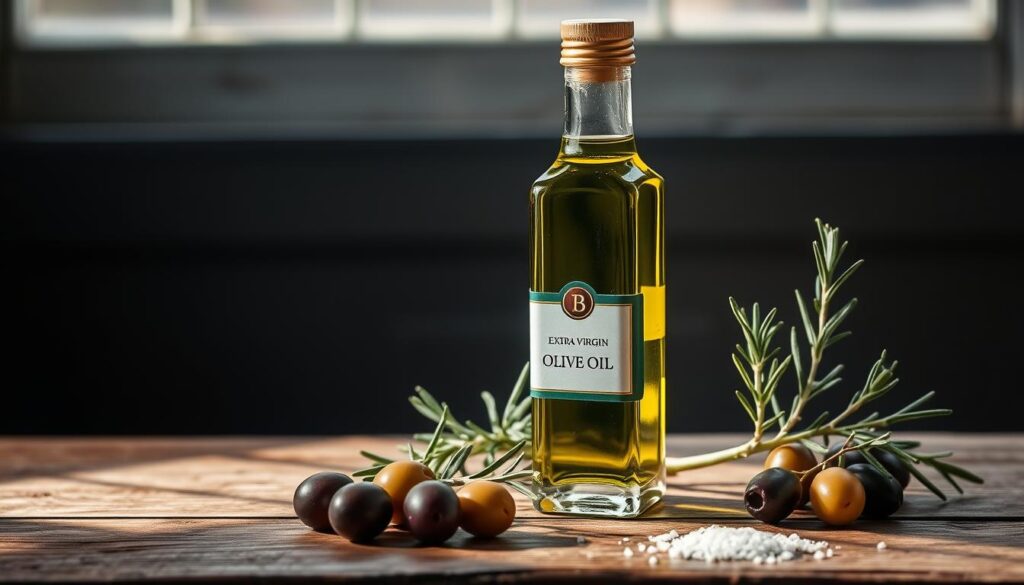
Why I favor EVOO: it is rich in monounsaturated fats and polyphenols that lower inflammation and support heart health. Studies link regular use to reduced risk of cardiovascular disease and lower diabetes markers compared with saturated fats.
I look for harvest dates, dark bottles, and reputable producers to keep quality high. I use EVOO for dressings, low-to-medium heat cooking, and finishing so delicate polyphenols and flavors stay intact.
“Choosing extra-virgin olive oil daily is a small change with measurable benefits for blood pressure and metabolic health.”
| Feature | Key content | Practical use |
|---|---|---|
| Fat type | Monounsaturated fatty acids (oleic acids) | Dressings, light sauté |
| Antioxidants | Polyphenols, vitamins E and K | Finishing, raw uses |
| Health edge | Lower inflammation, heart and diabetes risk | Daily culinary fat |
A small knob of ginger often transforms a simple meal into something both comforting and useful for health.
Ginger contains antioxidants such as gingerol, which may ease nausea and reduce pain from inflammatory conditions. Research also suggests regular use could lower long-term risks for heart disease, dementia, and some cancers.
I keep fresh roots, powdered ginger, and bottled juice so I can add spice quickly. Fresh ginger gets grated into stir-fries and marinades for bright flavor. Powdered ginger works well in baking and quick sauces.
Practical tip: steep sliced ginger with lemon and honey for a calming cup after meals or before bed.
I reach for turmeric when I want gentle, food-based antioxidant support that pairs well with simple meals.
Curcumin, turmeric’s active compound, has potent antioxidant and anti-inflammatory properties. Studies suggest curcumin may help prevent or support treatment for chronic conditions, including heart disease, diabetes, and some cancer types.
Absorption matters. I always pair turmeric with black pepper and a fat to boost curcumin uptake. That simple step makes the potential effects more reliable.
“Pairing turmeric with black pepper and a fat source helps the body absorb curcumin more effectively.”
I lean on salmon and canned options to get regular omega-3 fatty acids with minimal prep. Salmon offers healthy fats, complete protein, B vitamins, potassium, and selenium. These nutrients help reduce inflammation and can lower risk for heart disease and diabetes when eaten regularly.
I plan for two to three servings of fish weekly to secure reliable omega-3 intake while managing contaminant exposure. That cadence balances benefit from fatty acids with practical safety.
Canned fish such as tuna, salmon, and sardines pack vitamin D, vitamin B12, selenium, and protein. When bones are edible, sardines and canned salmon add calcium for bone and muscle support.
I rotate species and brands and follow serving-size guidance to limit mercury. Salmon generally provides more omega-3s than tuna, so I include it often but mix in canned options to keep costs down and variety up.
Quick uses: flake canned fish with olive oil, lemon, capers, and herbs for bowls, toast, or salads.
| Fish | Top nutrients | Practical note |
|---|---|---|
| Salmon | Omega-3 fatty acids, protein, B vitamins, potassium, selenium | Higher omega-3 content; aim for regular servings |
| Sardines (canned, bones) | Protein, vitamin D, B12, calcium, omega-3s | Bone-on cans boost calcium; linked to lower diabetes and CVD risk |
| Tuna (canned) | Protein, B12, selenium, vitamin D (variable) | Good pantry staple; rotate to limit mercury exposure |
I include avocado often because it delivers creamy texture plus meaningful nutrition without extra work. A half avocado adds both fiber and monounsaturated fats, mostly oleic acid, which links to lower inflammation.
Eating avocado is associated with reduced risk for heart disease, diabetes, metabolic syndrome, and some cancers. I use it to replace heavier spreads so meals feel satisfying without being weighed down.
How I use avocado:
“Small swaps like avocado for heavier spreads make heart-smart eating easier and more enjoyable.”
Whole grains form the backbone of many meals I build for steady energy and long-term health.
They pack fiber, vitamins, and minerals that help cravings, improve digestion, and support metabolic markers linked to lower risk of heart disease and other chronic disease.

Farro is rich in fiber, protein, magnesium, and antioxidants. I batch-cook it for salads and sides to add hearty texture and boost mineral intake through the week.
Oats deliver beta-glucan, a soluble fiber that helps lower cholesterol and steadies blood sugar. I build breakfasts around oats for lasting energy and proven heart benefits.
Quinoa is a gluten-free, complete protein that also provides fiber, iron, and magnesium. I use it when I want a protein-forward base that supports metabolic health.
| Grain | Key benefit | Typical use |
|---|---|---|
| Farro | Fiber, protein, magnesium, antioxidants | Batch-cooked salads, sides |
| Oats | Beta-glucan fiber for cholesterol and blood sugar | Hot cereal, overnight oats |
| Quinoa | Complete protein, iron, magnesium (gluten-free) | Bowl base, salads, sides |
Sweet potatoes are one of my favorite affordable roots for steady energy and vibrant color on the plate. They deliver meaningful amounts of vitamins A and C and important potassium, which helps round out simple bowls and salads.
I roast or cube them for meal prep because the flesh holds carotenoids and antioxidants that support long-term health. The skin adds texture and extra fiber, so I leave it on when I can.
Despite their sweetness, sweet potatoes usually produce gentler blood sugar responses than expected. I pair them with protein and healthy fat to keep meals balanced and to help manage diabetes risk or blood sugar swings.
Cooking with mushrooms adds texture and unique antioxidants not common in most other foods.
Common varieties like button, portobello, shiitake, crimini, and oyster deliver vitamin A, potassium, fiber, and varied minerals. I rely on them to expand flavors while keeping meals practical.
Higher mushroom intake often tracks with greater overall vegetable intake and may lower inflammation and some cancer risks. They are also a sustainability-friendly food, usually grown on agricultural byproducts.
How I use them:
“Small changes like adding mushrooms can increase nutrient variety and deliver real, everyday benefits.”
I reach for dried seaweed when I want an easy nutrient lift with big flavor. It supplies vitamin K, folate, iodine, and fiber in small servings.
Seaweed also contains unique bioactive compounds and antioxidant factors not common in land vegetables. Research suggests these compounds may help lower risk of cancer, heart disease, obesity, and diabetes.
Practical note: treating seaweed as one more versatile ingredient helps me add trace nutrients to everyday foods without extra cooking or cost.
My go-to strategy is to assemble bowls that balance taste, texture, and proven nutrients. I keep the plan simple so cooking fits my week and my budget. Small combinations deliver big health benefits without fuss.
I build bowls around whole grains plus legumes and plenty of vegetables. A light drizzle of olive oil finishes each plate and helps absorb fat-soluble nutrients.
That base supplies steady protein and fiber, keeps me full, and makes meals portable for busy days.
I add canned tomatoes for concentrated lycopene, vitamin C, potassium, vitamin A, and folate. I sauté onions for quercetin and prebiotic inulin.
When I want extra depth, I use bone broth for roughly 10 g of protein per cup and added minerals.
I plan two to three servings of oily seafood each week and pair them with olive-forward meals to support my heart.

Omega-3 fatty acids from marine sources are linked to lower chronic disease mortality, so I treat them as a routine, not a one-off fix. I also use extra-virgin olive oil for its monounsaturated fats and polyphenols, which help improve cardiovascular outcomes.
I add nuts and seeds for plant-based fats and fiber. Those small servings supply ALA and soluble fiber that support healthy lipids and steady blood pressure.
Keeping portions reasonable and rotating sources lowers overall risk. Simple changes—olive oil on salads, a handful of nuts, and regular omega-3 fatty acids—add up to meaningful benefits over time.
Controlling blood glucose starts with filling my plate with high-fiber choices that keep hunger and spikes in check.
I favor legumes, oats rich in beta-glucan, and sweet potatoes because research links these foods to better blood control and lower risk of diabetes. These items slow carbohydrate absorption and raise meal satiety.
Practical approach: I pair fiber-rich carbs with protein and healthy fat so my energy stays steady and peaks are blunted.
Real benefits: a consistent, fiber-forward pattern supports steady blood levels, helps manage hunger, and adds metabolic resilience over time.
A few ready-to-blend ingredients let me turn spare minutes into a nourishing meal. I choose combos that add probiotics, fiber, and quick protein so breakfast keeps me full and focused.
Berries bring antioxidants and fiber; kefir supplies live cultures and protein. I use frozen spinach and fruit to keep costs down and availability steady.
“Simple, repeatable drinks and bowls are the easiest way I increase nutrient intake and enjoy real health benefits.”
My grocery runs focus on items that deliver big nutrition for little cost.
I stock canned fish like sardines, tuna, and salmon for easy protein, vitamin D, selenium, and B12.
Salmon usually provides higher omega-3 fatty acids than tuna, and cans with bones are a useful calcium source.
I keep canned and dried beans, oats, and rice for cheap, filling meals that add fiber and minerals.
Extra-virgin olive oil, canned tomatoes, and onions are pantry power-ups that add flavor plus antioxidant content.
These small habits keep my kitchen ready for quick meals that support heart health and steady energy without breaking the bank.
Balancing nutrient gains with safety checks is how I keep my meals both useful and low-risk.
I limit fish to two to three servings per week to keep benefits while lowering contaminant risk. Rotating species and brands helps me avoid accumulation of heavy metals and allows me to enjoy omega-3s without excess risk.
I also watch sodium and added sugars closely. Many canned and fermented foods become high-sodium once opened, so I rinse canned beans and choose low-sodium options when I can.
Choosing unsweetened yogurt and kefir and checking labels on nut butters and sauces keeps added sugars low. This simple step supports blood sugar control and better long-term health.
“Consistency beats perfection: steady habits reduce risk and improve blood pressure and other markers over time.”
Practically, I focus on patterns rather than perfection. Small, repeatable checks on portions, sodium, and sugar create lasting effects on my blood pressure and overall health.
I start each week by sketching a simple meal map so healthy choices become automatic. I plan two to three fish meals, daily greens, and a rotation of beans and whole grains to keep my diet grounded.
I keep visible staples like extra-virgin olive oil, canned tomatoes, bone broth, nuts, and seeds so they get used. I prep berries, chop onions, and cook a grain on Sundays to make good meals the easy option during busy days.
Every day I aim for small habits: a kefir bowl or smoothie, and ginger or green tea. These steps add fiber, color, and practical nutrition that compound into meaningful benefits for my body over time.
Bottom line: consistent use of nutrient-rich foods and simple prep moves turns superfoods into steady gains for long-term health.