Physical Address
304 North Cardinal St.
Dorchester Center, MA 02124
Physical Address
304 North Cardinal St.
Dorchester Center, MA 02124

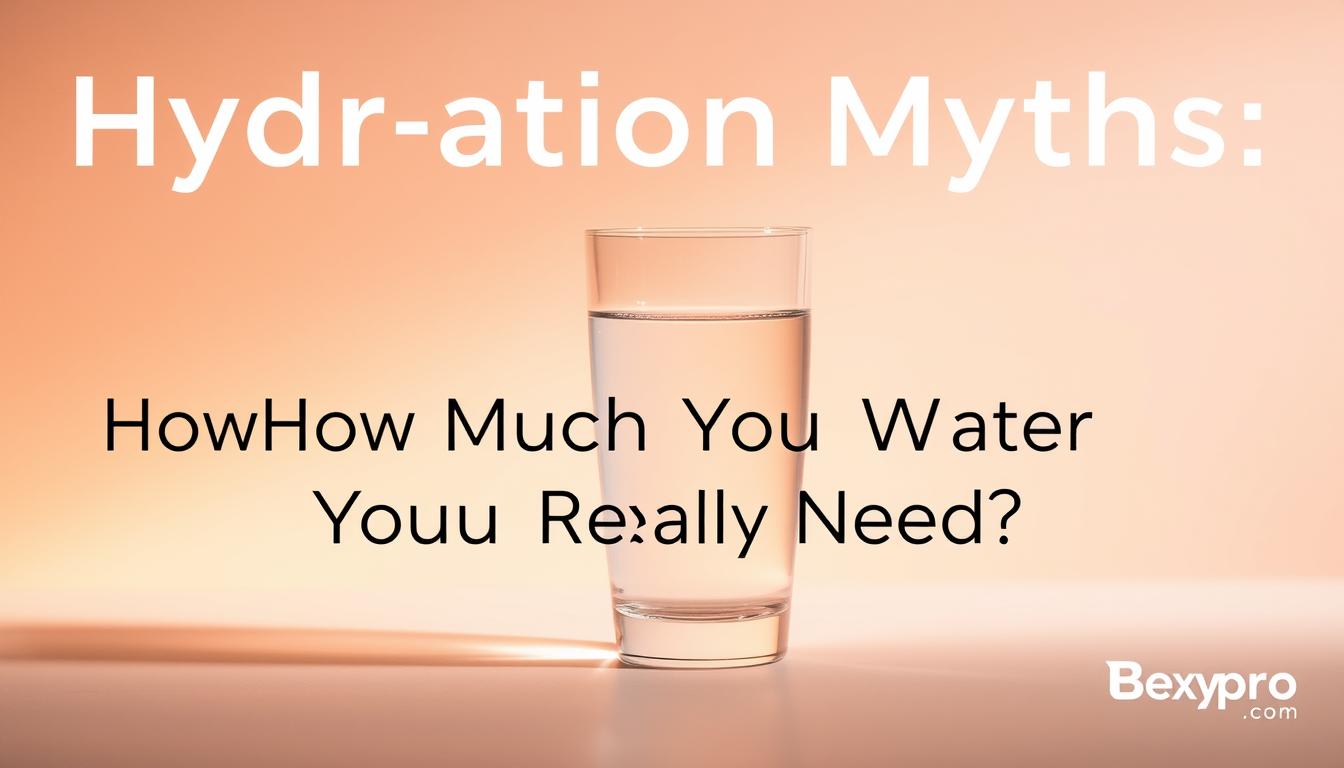
Surprising fact: current guidance suggests about 125 oz for men and 91 oz for women from all sources each day — far beyond the simple “eight glasses” idea.
I often found the rules around fluid targets confusing, so I set out to sort fact from fiction. My goal is to make a clear, sensible plan that fits my life and keeps my body working well.
Fluids help regulate temperature, cushion joints, fight infection, and deliver nutrients. Foods like soups, fruit, and vegetables supply roughly 20% of total fluids, so I count them toward my total intake.
I know there is no one-size-fits-all number. Size, activity, climate, and diet change my needs. I’ll focus on practical cues — thirst, context, and simple habits — and I’ll check with a clinician or schedule appointment if I have special concerns.
I grew tired of one-size-fits-all advice, so I dug into research to find what actually helps real people. I want simple, evidence-based habits that fit daily life.
Researchers and clinicians note that needs change with body size, activity, temperature, and sweat rate. Thirst and brain sodium sensors help regulate intake and protect against both dehydration and overhydration. That scientific view guides my practical approach.
My goal is to replace catchy rules with clear steps so many people can listen to their body and adapt. I’ll focus on context — climate, workouts, and routines — and on expert consensus so I’m not swayed by viral tips.
| Factor | Why it matters | Practical tip |
|---|---|---|
| Body size | Larger bodies need more fluids | Adjust intake to weight and activity |
| Activity | Sweat rate changes needs | Drink before, during, after long sessions |
| Climate | Heat increases losses | Plan extra fluids and salty snacks |
Many headlines promise a single magic number; I decided to check the evidence behind those claims.
The “drink eight glasses” rule is catchy but not strongly supported by data. Needs vary with size, sweat, climate, and activity. I explain the difference so people can make better choices.
“I rely on context and signs instead of a fixed count—guidelines help, but they do not replace common sense.”
My brain watches blood saltiness and triggers thirst at the right moments. That system helps protect against too little and too much intake.
Even on a calm day I lose fluid through breath and tiny sweat losses. That adds up to about 1.5–2 liters of baseline loss that I should replace.
I also count fluids from foods and other drinks. Many people forget soups, fruit, and tea, so strict glass counting can mislead.
| Factor | What changes | Simple action |
|---|---|---|
| Body size | Larger mass raises loss and needs | Scale intake to weight and effort |
| Activity | Sweat rate rises with intensity | Plan fluids before and after sessions |
| Climate & altitude | Heat, humidity, and altitude increase losses | Add fluids and salty snacks when needed |
I set out to translate guidance into plain steps that actually fit my daily routine.
Short version: modern guidance gives about 125 oz for men and 91 oz for women as approximate totals per day from all sources. Those totals include drinks, coffee, milk, and the fluids in foods I eat.
Those CDC-informed figures fold everything together. Counting only cups misleads because soups, tea, and produce add up.
About 20% of typical daily fluid comes from foods. Think watermelon, cucumbers, celery, strawberries, spinach, and broth-based soups.
Skipping those foods can make my running tally look low even when my body is fine.
I also lose vapor with each breath and often 500–1,000 ml of cooling sweat even on cool days. Obligatory losses commonly reach 1.5–2 L.
Hot days, intense training, fever, or salty packaged foods raise losses and thirst. That’s why a fixed “drink eight” rule breaks down under changing conditions.
“I prefer totals that include food and drinks, then tune intake to my routine instead of chasing a fixed cup count.”
Most days I trust thirst as my main cue and adjust around activity. My brain and kidneys work together to keep blood and salt balanced, so a sip when you’re thirsty usually fits routine needs.
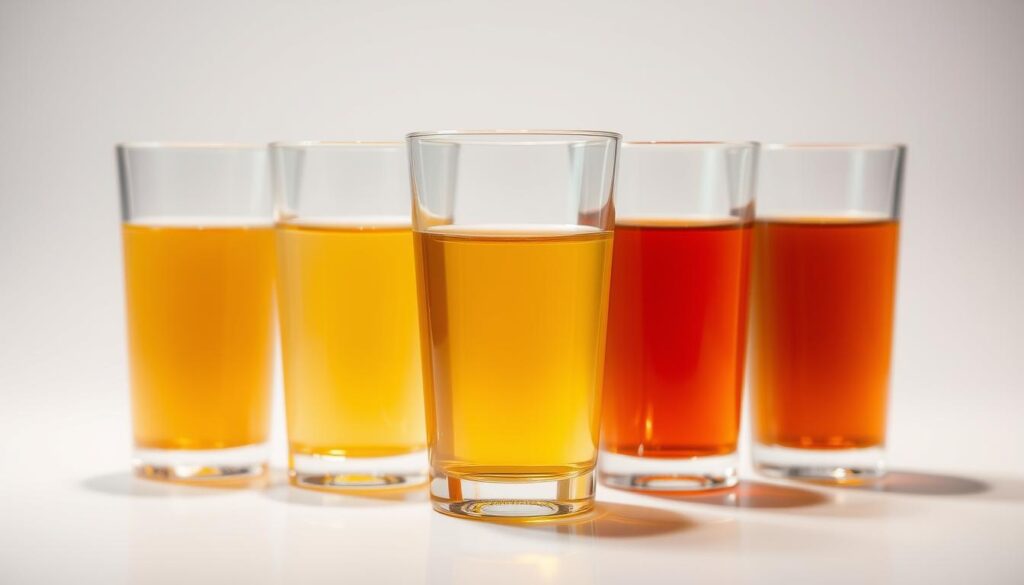
I follow thirst to guide my water intake through the day. It tells me when to sip and when to pause.
I aim for a light straw or pale yellow look most of the time, but urine color can mislead. Kidneys concentrate urine to protect blood volume, so athletes or anyone who just sweated a lot may show darker urine without true dehydration by blood measures.
Older adults may not feel thirst strongly. Heat waves, long runs, certain meds, or spicy meals can change thirst or urine without meaning severe fluid loss. In those cases I plan sips ahead.
| Factor | What it changes | My action |
|---|---|---|
| Age | Thirst response falls | Set reminders to sip |
| Exercise | Sweat raises losses | Drink before and after sessions |
| Heat/illness | Greater evaporative loss | Plan extra fluids and salty snack |
| Medications | Can alter thirst or urine | Check with a clinician |
I checked studies and personal practice to see whether my morning coffee counts toward my daily intake. The short answer is reassuring: moderate coffee usually helps, not harms, my fluid balance.
I drop the coffee myth: regular caffeinated drinks in moderate amounts hydrate much like noncaffeinated drinks. Mild diuretic effects show up mainly with very high doses or in people not used to caffeine.
Note: extra bathroom trips don’t equal net loss for habitual drinkers. My total beverages across the day count toward my goals, so a cup of coffee isn’t a penalty.
I keep plain water as my go-to after short sessions or low-intensity exercise. Sports drinks add sugars and calories that I usually don’t need.
“Drink to thirst for most sessions; bring a bottle and salt for long or sweaty days.”
| Situation | My pick | Why |
|---|---|---|
| Short workouts <60 min | Plain water | Replaces losses without extra calories |
| Long sessions >60 min | Sports drink or water + salty snack | Replaces sodium and energy lost in sweat |
| High caffeine intake | Limit dose; space cups | Reduces bathroom frequency without reducing net intake |
I learned that more fluid isn’t always safer; sometimes excess intake harms the body.
Overhydration can dilute blood sodium and cause hyponatremia. Symptoms range from mild nausea and headaches to confusion, seizures, or loss of consciousness.
I watch for sudden nausea, pounding headaches, or mental fog. Swelling in hands or feet and severe confusion are red flags that my balance is off.
Endurance athletes who gulp plain water during long events can dilute blood salts. People with congestive heart failure or kidney failure also struggle to remove extra fluid.
“I learned to slow intake, add salt when needed, and seek medical advice if warning signs appear.”
| Risk group | Why | My action |
|---|---|---|
| Endurance athletes | May overconsume plain water | Use electrolytes for long events |
| Heart or kidney disease | Reduced fluid clearance | Follow physician limits |
| General people | Can ignore symptoms when forced to drink | Drink to thirst and watch warning signs |
I built simple rituals that help me meet daily fluid goals without turning sipping into a chore. Small actions let me keep steady daily fluid intake while I work, run errands, or care for my family.
I keep a bottle nearby so drinking becomes automatic, not a task I must remember. I sip at short breaks or after bathroom trips to spread intake through the day.
I add fruits and other foods that supply about 20% of my daily fluid. Soups, strawberries, cantaloupe, watermelon, spinach, kale, cucumbers, and celery boost my totals without extra drinks.
Flavoring helps. When I want variety I add lemon, cucumber, mint, or berries to plain water for taste without sugar or artificial ingredients.
“I aim for consistency over perfection—small habits protect my health and fit into busy days.”
| Habit | Why it helps | Quick tip |
|---|---|---|
| Carry a bottle | Makes sipping automatic | Choose a reusable bottle you like |
| Eat hydrating foods | Provides ~20% of daily fluid | Add a salad or fruit cup to a meal |
| Flavor naturally | Keeps plain drinks appealing | Try lemon, mint, or cucumber slices |
| Plan for activity | Prevents scrambling in heat or long workouts | Pack fluid + salty snack for long sessions |
My closing thought is to aim for balance rather than chase a headline number. My bottom line: I listen to my body, drink to thirst, and adjust for hotter days and longer efforts.
I count all sources toward daily intake—plain water, coffee, tea, and the fluids in food—rather than fixating on the old eight glasses rule.
I stay mindful of special cases: older people, endurance events, and anyone with a kidney condition should plan and consult a clinician. I watch for signs of dehydration and for overdrinking so I can course-correct fast.
In short, I favor a flexible, sustainable way that supports energy, focus, and health every day.